Presentation & Communication Skills: Master Body Language
3,112 words • English • May 25, 2026
Mastering the Art of Presentation and Communication: Crafting Impactful Messages
Did you know that studies suggest a significant portion of communication is non-verbal? In fact, some research indicates that body language alone can account for over 50% of how our message is received [1]. This striking statistic underscores a fundamental truth: effective communication is far more than just the words we speak. It’s a dynamic interplay of structure, compelling narratives, physical presence, and genuine connection with our audience.
Whether you’re presenting a groundbreaking idea to investors, sharing project updates with your team, or simply explaining a complex concept to a colleague, the ability to communicate clearly and persuasively is a superpower. In today’s fast-paced world, where attention spans are shrinking and information overload is the norm, mastering presentation and communication skills isn’t just a nice-to-have; it’s a critical differentiator for personal and professional success.
In this comprehensive guide, we’ll delve into the core pillars of effective communication: how to structure your message for maximum impact, the power of storytelling to captivate your audience, the crucial role of body language, and the art of engaging your listeners. By understanding and implementing these principles, you can transform your presentations from mundane recitations into memorable experiences that inspire action and foster understanding.
The Foundation: Structuring Your Message for Clarity and Impact
Before you even think about what to say, you need to consider how you’re going to say it. A well-structured presentation acts as a roadmap for both you and your audience, ensuring that your message is delivered logically, coherently, and memorably. Without a clear structure, even the most brilliant ideas can get lost in a sea of rambling thoughts.
The Power of the Outline
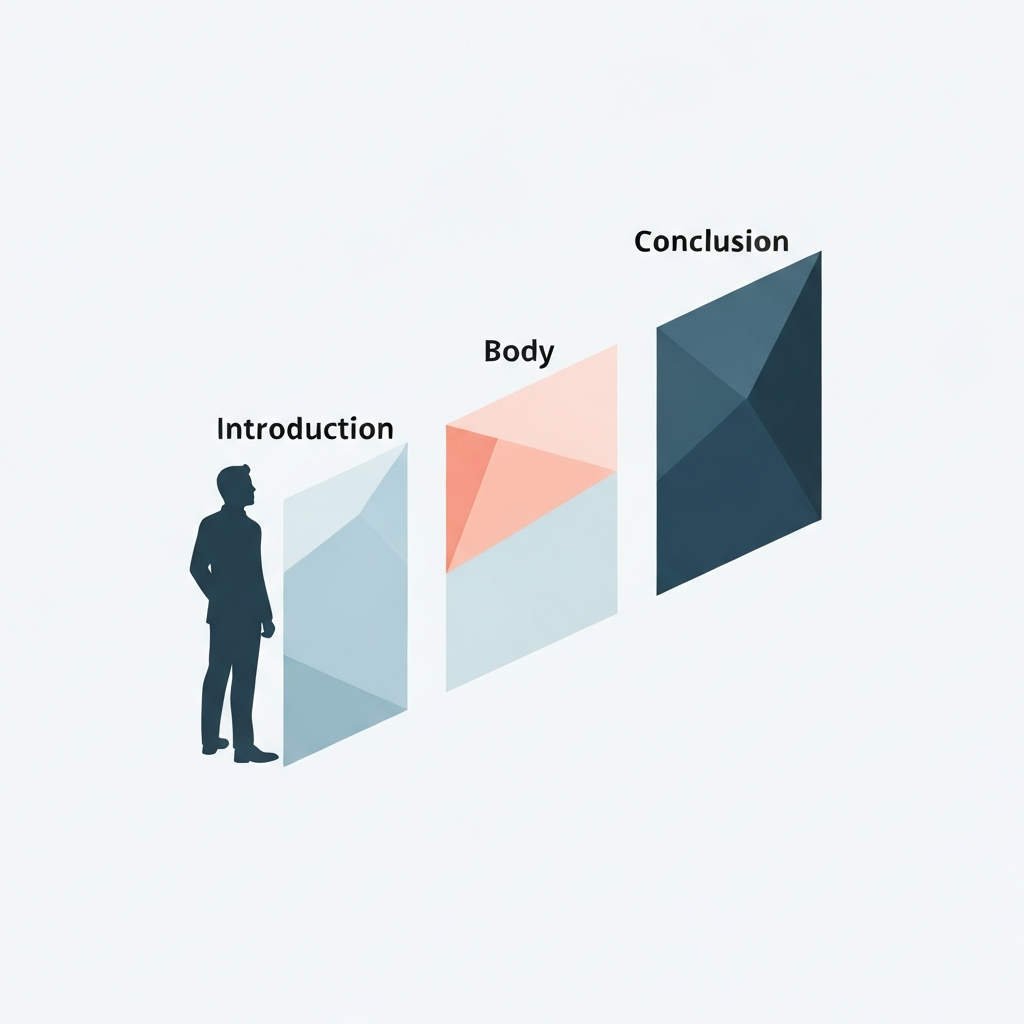
Think of an outline as the architectural blueprint for your presentation. It helps you organize your thoughts, identify key points, and ensure a smooth flow from one idea to the next. A common and highly effective structure is the Introduction-Body-Conclusion model.
Introduction: Hooking Your Audience from the Start
Your introduction is your first, and often most critical, opportunity to grab your audience’s attention. You have mere seconds to make a positive impression and convince them that what you have to say is worth their time. A strong introduction should:
- Hook your audience: Start with something compelling. This could be a surprising statistic (like the one about non-verbal communication), a thought-provoking question, a short, relevant anecdote, or a vivid image. The goal is to pique their curiosity immediately.
- State your purpose: Clearly articulate what you aim to achieve with your presentation. What is the main takeaway you want your audience to have?
- Provide a roadmap: Briefly outline the key points you will cover. This sets expectations and helps your audience follow along. For instance, you might say, “Today, we’ll explore three key areas: first, understanding the current market trends; second, analyzing our competitive landscape; and finally, outlining our strategic approach for the next quarter.”
Body: Developing Your Key Points
The body of your presentation is where you deliver the substance of your message. Each section should focus on a specific idea or argument, supported by evidence, examples, and explanations. Here are some tips for building a strong body:
- Logical Flow: Organize your points in a logical sequence. This could be chronological, thematic, problem-solution, or cause-and-effect. Whatever method you choose, ensure it makes sense and guides the audience naturally from one point to the next.
- One Idea Per Section: Avoid overwhelming your audience by trying to cram too much into a single section. Focus on developing one core idea thoroughly before moving on to the next.
- Supporting Evidence: Back up your claims with data, statistics, research findings, expert opinions, case studies, or real-world examples. Credible sources lend weight to your arguments. For example, when discussing the importance of confidence, you might cite research on how self-assuredness impacts decision-making. This is where understanding confidence standards and self respect can be highly relevant to your audience’s personal development.
- Transitions: Use clear transition phrases or sentences to move smoothly between points. Words and phrases like “Furthermore,” “In addition,” “Moving on to,” “Another important aspect is,” and “Consequently” help create a seamless flow.
Conclusion: Leaving a Lasting Impression
Your conclusion is your final opportunity to reinforce your message and leave a lasting impact. It should summarize your key points and provide a call to action or a memorable closing thought. A strong conclusion:
- Summarizes Key Points: Briefly reiterate the main takeaways from your presentation. Don’t introduce new information here.
- Restates Your Purpose: Remind the audience of the overall objective of your presentation.
- Provides a Call to Action (if applicable): If you want your audience to do something after your presentation, clearly state what that is. Be specific and actionable.
- Ends with Impact: Leave your audience with a powerful closing statement, a final thought, or a link back to your opening hook.
The Art of Storytelling: Captivating Your Audience Through Narrative
Facts and figures are important, but it’s stories that truly resonate with people. Humans are wired for narrative. Stories evoke emotion, make information relatable, and are far more memorable than dry data. Integrating storytelling into your presentations can transform them from informative lectures into engaging experiences.
Why Stories Work
- Emotional Connection: Stories tap into our emotions, creating a deeper connection with the subject matter and the presenter. When we feel something, we remember it.
- Relatability: A well-told story can make complex ideas or abstract concepts understandable and relatable by grounding them in human experience.
- Memorability: Our brains are better at remembering narratives than isolated facts. The sequence of events, characters, and emotions in a story create a framework for recall.
- Engagement: Stories naturally draw people in, holding their attention and making them active participants in the unfolding narrative.
Elements of a Compelling Story
Not all stories are created equal. To effectively use storytelling in your presentations, focus on these key elements:
- A Clear Protagonist: Who is the story about? This could be you, a customer, a colleague, or even an abstract concept personified.
- A Conflict or Challenge: What problem or obstacle does the protagonist face? This creates tension and keeps the audience invested.
- Rising Action: How does the protagonist attempt to overcome the challenge? This builds suspense.
- A Climax: The turning point where the conflict is confronted.
- A Resolution: How is the conflict resolved? What is the outcome?
- A Moral or Lesson: What is the key takeaway from the story that relates to your presentation’s message?
Types of Stories to Use in Presentations
- Personal Anecdotes: Sharing a relevant personal experience can build rapport and illustrate a point with authenticity.
- Customer Success Stories: Demonstrating how your product, service, or idea has helped others is powerful social proof.
- Historical Narratives: Using historical examples can provide context and illustrate timeless principles.
- Hypothetical Scenarios: Painting a picture of a potential future or a “what if” situation can help audiences visualize possibilities.
- Metaphors and Analogies: While not full stories, these can simplify complex ideas by comparing them to familiar concepts, acting as mini-narratives.
When discussing the challenges of overcoming obstacles, a story about resilience can be incredibly impactful. This ties into the idea that 68 why still standing is more than a phrase – it’s about the ongoing journey and the strength found in perseverance.
The Silent Language: Mastering Body Language
What you do with your body often speaks louder than the words you say. Your body language – your posture, gestures, facial expressions, and eye contact – communicates a wealth of information to your audience, influencing how they perceive your confidence, credibility, and sincerity.
Key Components of Effective Body Language
- Posture: Stand or sit tall with your shoulders back. A confident posture conveys authority and self-assurance. Avoid slouching or fidgeting, which can signal nervousness or disinterest.
- Eye Contact: Making consistent, natural eye contact with your audience is crucial for building connection and trust. Scan the room, making brief, individual connections with different people. Avoid staring at one person for too long or looking over their heads.
- Gestures: Use natural, purposeful gestures to emphasize your points. Open hand gestures tend to convey openness and honesty, while closed-off gestures (like crossed arms) can create a barrier. Avoid excessive or distracting movements.
- Facial Expressions: Your face should reflect the emotion and tone of your message. Smile when appropriate, show concern when discussing challenges, and maintain an engaged expression.
- Movement: If you’re presenting in person, use purposeful movement. Walking across the stage or moving closer to the audience can help maintain energy and engagement, but avoid aimless pacing.
- Voice Modulation: While not strictly body language, your vocal delivery is inextricably linked. Vary your tone, pitch, and pace to keep your audience interested and emphasize key points. A monotone delivery can be as disengaging as poor body language.
Common Body Language Pitfalls to Avoid
- Fidgeting: Playing with pens, adjusting your clothes, or tapping your feet can signal nervousness and distract from your message.
- Crossed Arms: This can be interpreted as defensive or closed off.
- Lack of Eye Contact: Appearing evasive or uninterested.
- Looking Down: Constantly reading from notes or slides without engaging with the audience.
- Hunching: Conveys a lack of confidence.
- Overly Dramatic Gestures: Can be distracting and appear insincere.
Practicing your presentation in front of a mirror or recording yourself can help you identify and correct these habits. Remember, your body language should support your message, not detract from it. It’s about projecting authenticity and confidence.
Engaging Your Audience: Creating a Two-Way Conversation
A presentation is not a monologue; it’s an opportunity for connection and shared understanding. Audience engagement is about actively involving your listeners, making them feel like participants rather than passive observers. Engaged audiences are more likely to learn, remember, and act upon your message.
Strategies for Audience Engagement
- Ask Questions: Pose rhetorical questions to make your audience think, or ask direct questions to solicit responses. This can be done verbally or through interactive tools.
- Encourage Participation: Create opportunities for your audience to contribute. This could involve Q&A sessions, polls, small group discussions, or brainstorming activities.
- Use Visual Aids Effectively: Slides should support your message, not be your message. Use clear, concise visuals, relevant images, and minimal text. Avoid “death by PowerPoint” with cluttered slides and walls of text. Ensure your visuals are accessible and easy to understand.
- Tell Stories (as discussed earlier): Stories are inherently engaging.
- Incorporate Humor (appropriately): A well-placed joke or lighthearted comment can break the ice and make your presentation more enjoyable. However, ensure your humor is inclusive and relevant.
- Relate to Your Audience: Tailor your content and examples to your specific audience’s interests, needs, and backgrounds. Show them why your message matters to them.
- Active Listening: When audience members ask questions or share comments, listen attentively and respond thoughtfully. This shows respect and encourages further interaction.
- Manage Q&A Effectively: Prepare for questions. If you don’t know an answer, it’s okay to say so and offer to follow up. Keep answers concise and relevant.
Overcoming Engagement Challenges
Sometimes, even with the best intentions, audiences can seem disengaged. Here’s how to address it:
- Check for Understanding: Periodically ask if your points are clear or if anyone has questions.
- Vary Your Delivery: Switch up your pace, tone, and energy levels to keep things dynamic.
- Take Short Breaks: For longer presentations, brief breaks can help refresh the audience’s attention.
- Address Disinterest Directly (with tact): If you notice a significant drop in engagement, you might gently acknowledge it, perhaps by saying, “I want to make sure this is resonating with you. Is there anything that isn’t clear, or anything you’d like me to elaborate on?”
Remember, the goal is to create a shared experience. When you focus on connecting with your audience and making your message relevant and interesting, engagement naturally follows. This proactive approach is key to ensuring your message lands effectively. It’s also important to address feelings of isolation that can sometimes arise, especially in group settings or during challenging times. Learning 23 how to handle loneliness in recovery can provide valuable insights into building connections and overcoming feelings of disconnect, which can indirectly benefit your presentation skills by fostering greater empathy and understanding of audience needs.
Putting It All Together: Crafting Your Presentation
Now that we’ve explored the key components, let’s synthesize them into a practical approach for developing your presentations.
The Preparation Process
- Define Your Objective: What do you want your audience to know, feel, or do after your presentation?
- Know Your Audience: Who are they? What are their interests, knowledge levels, and expectations?
- Brainstorm Content: Gather all relevant information, data, and stories.
- Structure Your Message: Create an outline using the Introduction-Body-Conclusion format. Decide on the logical flow of your points.
- Develop Your Content: Flesh out each section with supporting details, examples, and stories.
- Craft Your Visuals: Design slides that enhance, not detract from, your message. Keep them clean and impactful.
- Practice, Practice, Practice: Rehearse your presentation multiple times. Practice your delivery, including body language and vocal modulation. Time yourself to ensure you fit within the allotted duration.
- Anticipate Questions: Think about potential questions your audience might ask and prepare your answers.
Delivery Day: Confidence and Connection
On the day of your presentation, remember that preparation is your best friend.
- Arrive Early: Familiarize yourself with the space and equipment.
- Take Deep Breaths: Calm your nerves.
- Connect with Your Audience: Make eye contact and smile.
- Be Authentic: Let your personality shine through.
- Embrace Imperfection: If you stumble, it’s okay. Most audiences are forgiving. Just pause, regroup, and continue. The ability to keep going, to demonstrate that you are 68 why still standing is more than a phrase, is a powerful testament to resilience.
- Focus on Your Message: Remember why you’re there and what you want to communicate.
Conclusion
Developing strong presentation and communication skills is a journey, not a destination. It requires conscious effort, consistent practice, and a willingness to learn and adapt. By focusing on structuring your message for clarity, weaving in compelling stories, mastering your body language, and actively engaging your audience, you can transform your presentations into powerful tools for influence, connection, and understanding.
The ability to communicate effectively empowers you to share your ideas, inspire action, and build stronger relationships. In a world that often feels disconnected, your skill in bridging that gap through clear, compelling, and engaging communication is more valuable than ever. Keep honing these skills, and you’ll find yourself not just delivering presentations, but truly connecting and making an impact. It’s about taking control of your narrative and ensuring your message is heard, understood, and remembered. This proactive approach to self-improvement is also crucial for personal growth and can be further explored by learning how to stop wasting time and start building your future.
Frequently Asked Questions
What is the most important element of a presentation?
While all elements are important, clarity is paramount. If your audience doesn’t understand your message, then structure, storytelling, body language, and engagement become irrelevant. Ensure your core message is clear, concise, and easily digestible.
How can I overcome nervousness before a presentation?
Nervousness is normal. Preparation is key; the more you practice, the more confident you’ll feel. Techniques like deep breathing, visualization, arriving early to acclimate, and focusing on connecting with the audience rather than on your own anxiety can significantly help. Remember that your audience wants you to succeed.
How many slides should I use in a presentation?
There’s no magic number. The “rule” often cited is “less is more.” Aim for slides that support your spoken words, not replace them. Generally, a good guideline is one slide per 1-2 minutes of speaking time, but this can vary greatly. Focus on quality and relevance over quantity. Avoid cluttering slides with too much text.
How do I handle difficult questions during a Q&A session?
Stay calm and listen to the entire question. If you don’t understand, ask for clarification. It’s okay to say “I don’t know” if you truly don’t have the answer, but follow up with an offer to find out and get back to them. If a question is confrontational, acknowledge the sentiment respectfully and steer the conversation back to facts or your core message. Sometimes, it’s helpful to reframe their question to ensure you’re answering what they intended. This is also relevant when considering how to handle difficult emotions or situations, such as when you need to address 23 how to handle loneliness in recovery.
What’s the difference between a presentation and a speech?
While often used interchangeably, a speech typically focuses more on spoken rhetoric and persuasion, often delivered without visual aids. A presentation usually involves visual aids (like slides) to support and enhance the delivery of information or ideas. Both require strong communication skills, but presentations often have a more structured, visual component.
How can I make my presentations more interactive?
Incorporate elements that require audience participation. This can include asking direct questions, using polls or surveys (live or digital), facilitating small group discussions, running quick quizzes, or asking for volunteers to demonstrate a point. Even simple techniques like asking for a show of hands can increase engagement. For more in-depth strategies, exploring resources on 23 how to handle loneliness in recovery can offer insights into fostering connection and dialogue.
Key Takeaways
- Structure is foundational: A clear Introduction-Body-Conclusion format guides your audience.
- Stories captivate: Use narratives to evoke emotion, make concepts relatable, and improve memorability.
- Body language matters: Posture, eye contact, and gestures communicate confidence and credibility.
- Engagement is key: Involve your audience through questions, participation, and relatable content.
- Practice makes perfect: Rehearse thoroughly to build confidence and refine your delivery.
- Authenticity resonates: Be yourself and let your personality shine through.
- Continuous improvement: Developing these skills is an ongoing process.
[1] Mehrabian, A. (1971). Silent Messages. Wadsworth Publishing Company. (Note: While Mehrabian’s research is widely cited, it’s important to note that the specific percentages often quoted (e.g., 7% words, 38% tone, 55% body language) are based on studies of communication of feelings and attitudes, and may not apply universally to all types of communication.)
This opinions posed in this article ae just that, mine. This article is for informational purposes only.