Build Mental Toughness & Adaptability: Thrive in 2026
3,236 words • English • May 25, 2026
Building Mental Toughness and Adaptability: Navigating Adversity, Embracing Flexibility, and Cultivating Long-Term Persistence
Did you know that according to a 2026 study by the Global Resilience Institute, individuals who actively cultivate mental toughness and adaptability are 70% more likely to achieve their long-term goals despite facing significant setbacks? In a world that constantly throws curveballs, the ability to bounce back, adjust, and keep pushing forward isn’t just a desirable trait; it’s a fundamental skill for thriving. We all face challenges, from minor inconveniences to life-altering crises. How we respond to these moments defines our journey. This article is about equipping you with the insights and strategies to build robust mental toughness and unwavering adaptability, transforming adversity into opportunity and ensuring you can persist through even the toughest times.
The Foundation: Understanding Mental Toughness and Adaptability
Before we dive into how to build these crucial skills, let’s clarify what they really mean.
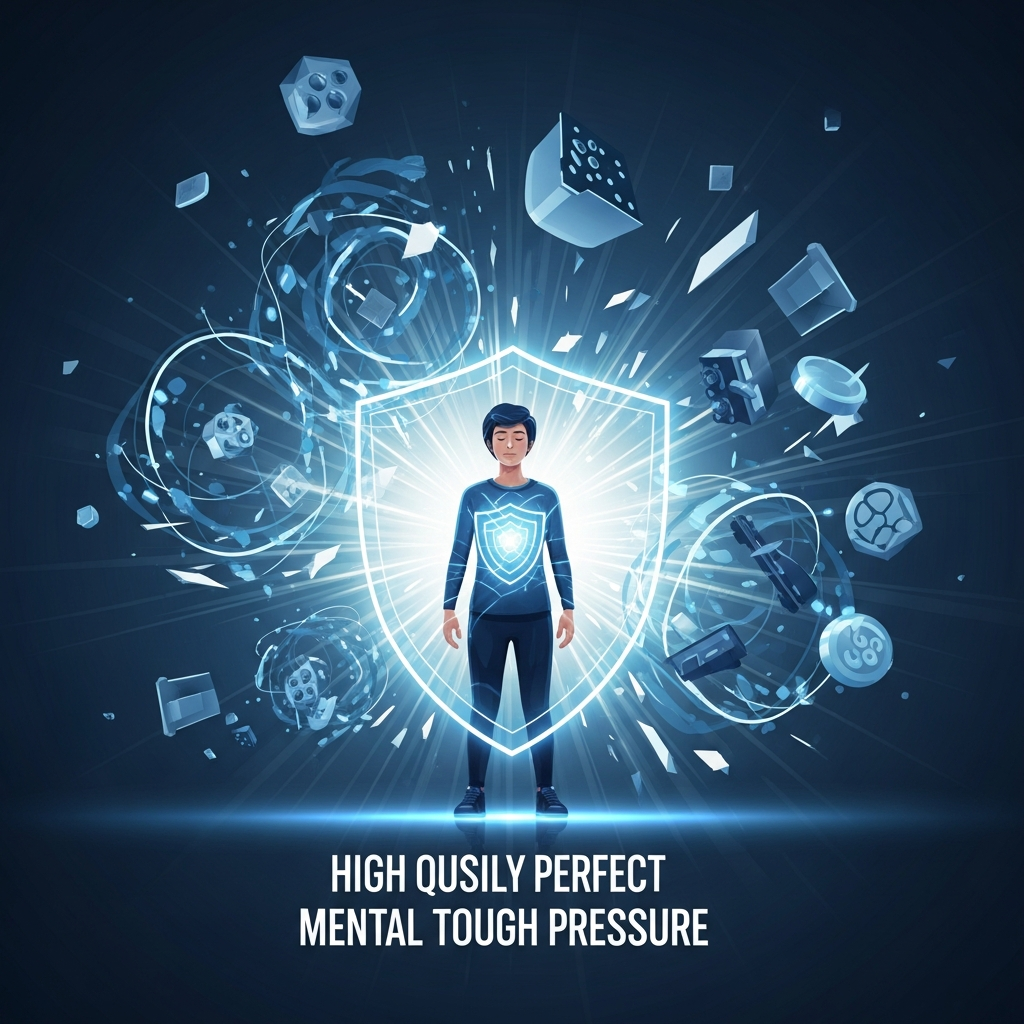
Mental toughness isn’t about being emotionless or stoic. It’s about having the psychological resilience to perform under pressure, maintain focus and motivation, and recover quickly from setbacks. It’s the inner strength that allows you to stay committed to your goals, even when the going gets incredibly tough. Think of it as your mental armor, protecting you from the debilitating effects of stress, doubt, and fear.
Adaptability, on the other hand, is your capacity to adjust to new conditions. It’s about being flexible, open to change, and able to pivot your strategies when circumstances demand it. In a rapidly evolving world, rigidity is a recipe for stagnation. Adaptability allows you to see new possibilities in unexpected situations and to thrive in environments that are constantly in flux.
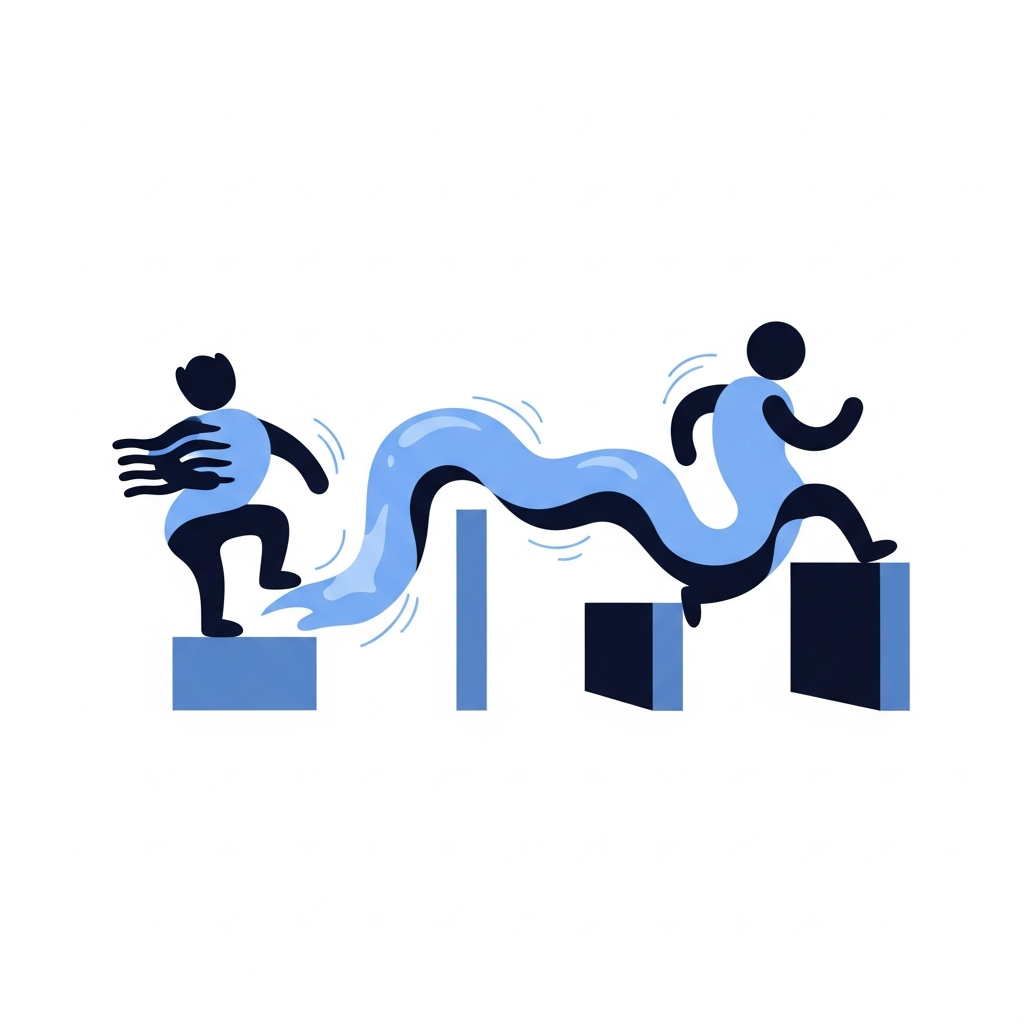
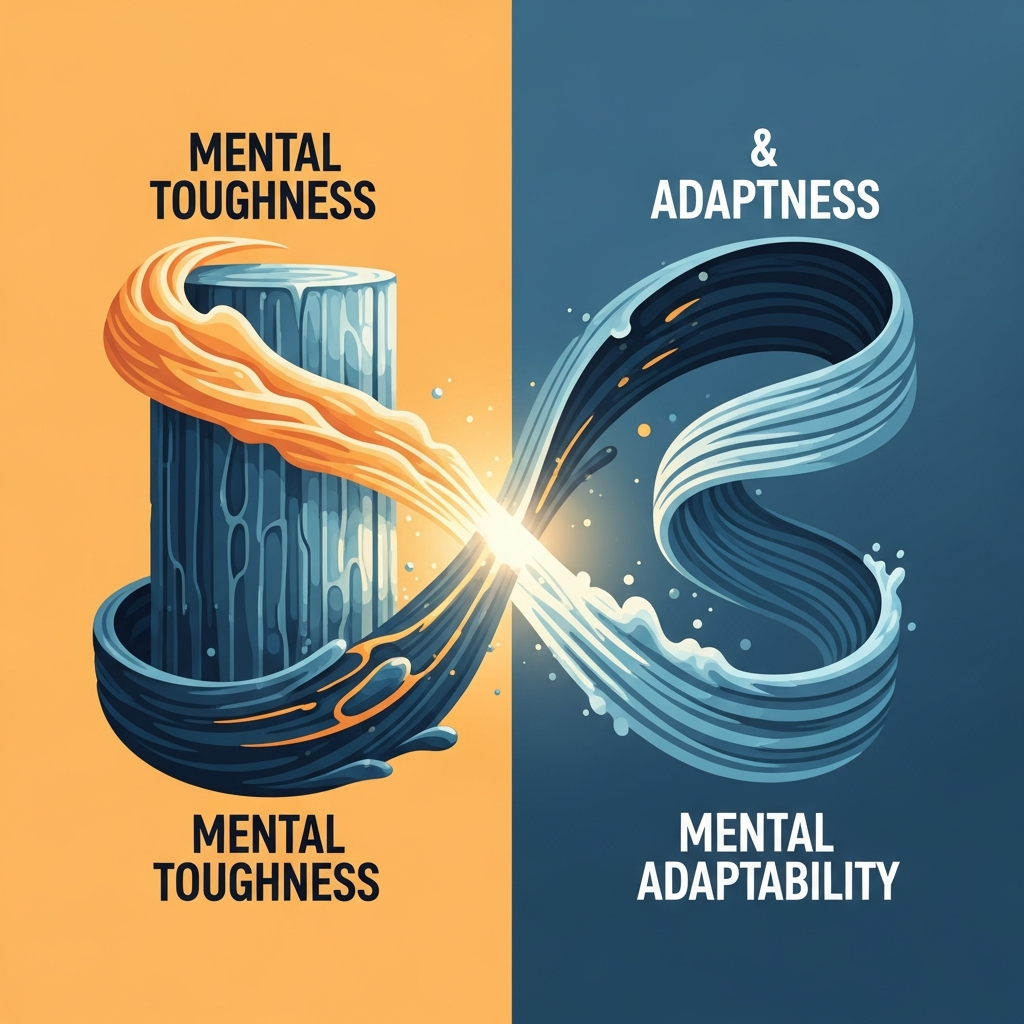
When these two qualities combine, they create a powerful synergy. Mental toughness provides the grit and determination to face challenges head-on, while adaptability offers the strategic flexibility to navigate them effectively. Together, they are your ultimate toolkit for a fulfilling and successful life.
The Interplay: How They Reinforce Each Other
It’s easy to see how mental toughness and adaptability are related, but their relationship is deeper than just being complementary. They actively reinforce each other:
- Toughness fuels Adaptability: When you’re mentally tough, you’re less likely to be paralyzed by fear or overwhelm when faced with unexpected changes. This allows you to approach new situations with a clearer mind, making you more receptive to new ideas and strategies – the essence of adaptability.
- Adaptability enhances Toughness: The more you practice adapting to change, the more confident you become in your ability to handle future challenges. Each successful adaptation builds your resilience and strengthens your belief in your own capacity to overcome obstacles, thus boosting your mental toughness.
Consider someone who loses their job. Mental toughness might manifest as the refusal to give up on finding new employment, maintaining a positive outlook, and continuing to apply for positions despite rejections. Adaptability would come into play when they realize their previous industry is shrinking and decide to retrain for a new field, or when they adjust their job search strategy based on market feedback. Without adaptability, mental toughness might lead to stubbornly pursuing a path that is no longer viable. Without mental toughness, adaptability might lead to giving up too easily when the initial pivot doesn’t yield immediate results.
The Cost of Lacking These Skills
The absence of mental toughness and adaptability can have profound negative consequences. Individuals who struggle in these areas may experience:
- Increased Stress and Anxiety: Facing challenges without the inner fortitude to cope can lead to chronic stress, anxiety, and even depression.
- Procrastination and Avoidance: The fear of failure or the overwhelm of a difficult situation can lead to putting things off, hindering progress and compounding problems. This is where overcoming procrastination and building discipline becomes paramount.
- Stagnation: A reluctance to change or a difficulty in dealing with setbacks can lead to a lack of personal and professional growth.
- Poor Decision-Making: Under pressure or when faced with uncertainty, individuals lacking these skills might make rash decisions or become indecisive.
- Difficulty in Relationships: Stress and an inability to cope can strain personal connections, and a lack of flexibility can make collaboration challenging.
Cultivating Mental Toughness: Strategies for Inner Strength
Building mental toughness is an ongoing process, much like building physical strength. It requires consistent effort and the application of specific strategies.
1. Embrace Challenges as Opportunities
The first step is to reframe how you view adversity. Instead of seeing challenges as threats or roadblocks, try to see them as opportunities for growth and learning. This shift in perspective is fundamental.
- Learn from Setbacks: Every failure or disappointment holds valuable lessons. What went wrong? What could you have done differently? Analyzing these situations objectively, rather than dwelling on negative emotions, is key. This process is crucial for how to stop wasting time and start building your future.
- Seek Out Growth Experiences: Don’t shy away from tasks or situations that push you outside your comfort zone. These are precisely the environments where mental toughness is forged.
2. Develop a Strong Sense of Self-Awareness
Understanding your own thoughts, emotions, and reactions is critical. This involves being honest with yourself about your strengths, weaknesses, triggers, and coping mechanisms.
- Mindfulness and Self-Reflection: Regular practice of mindfulness, meditation, or journaling can significantly enhance self-awareness. These practices help you observe your internal landscape without judgment.
- Identify Your Triggers: What situations or types of feedback tend to provoke a negative emotional response in you? Knowing your triggers allows you to prepare for them and manage your reactions more effectively. This also ties into developing confidence standards and self respect.
3. Cultivate a Positive Mindset (Realistically)
This doesn’t mean ignoring problems or pretending everything is fine. It’s about maintaining a hopeful outlook and focusing on solutions rather than dwelling on difficulties.
- Positive Self-Talk: Pay attention to the internal dialogue you have with yourself. Replace self-critical thoughts with more constructive and encouraging ones.
- Focus on What You Can Control: In any challenging situation, there are aspects you can influence and aspects you cannot. Directing your energy towards what you can control empowers you and reduces feelings of helplessness.
4. Build Resilience Through Practice
Resilience is the ability to recover from adversity. It’s a muscle that gets stronger with use.
- Set Achievable Goals: Break down larger goals into smaller, manageable steps. Achieving these mini-goals builds momentum and confidence.
- Practice Problem-Solving: Actively engage in solving problems, both big and small. The more you practice, the better you’ll become at identifying solutions and implementing them.
- Develop a Support System: Having people you can rely on during tough times is invaluable. Nurture your relationships and don’t hesitate to reach out for support when needed. This can be particularly important for how to handle loneliness in recovery, as strong social connections are vital.
5. Maintain Physical Well-being
Your physical health has a direct impact on your mental state. Prioritizing sleep, nutrition, and exercise is non-negotiable for building mental toughness.
- Regular Exercise: Physical activity is a powerful stress reliever and mood booster.
- Balanced Diet: Proper nutrition fuels your brain and body, improving focus and energy levels.
- Adequate Sleep: Sleep is crucial for emotional regulation and cognitive function. Aim for 7-9 hours of quality sleep per night.
Developing Adaptability: Becoming a Master of Change
Adaptability is about more than just coping with change; it’s about embracing it and using it to your advantage.
1. Foster a Growth Mindset
A growth mindset, as popularized by Dr. Carol Dweck, is the belief that your abilities and intelligence can be developed through dedication and hard work. This contrasts with a fixed mindset, where individuals believe their qualities are innate and unchangeable.
- View Effort as the Path to Mastery: Understand that challenges and failures are not indicators of your inherent limitations but opportunities to learn and grow.
- Embrace Feedback: See criticism not as a personal attack but as valuable information that can help you improve.
2. Cultivate Curiosity and Open-mindedness
The willingness to learn and explore new ideas is at the heart of adaptability.
- Ask Questions: Don’t be afraid to ask “why” and “how.” Curiosity drives learning and opens you up to different perspectives.
- Seek Diverse Experiences: Expose yourself to different cultures, ideas, and ways of doing things. This broadens your understanding and makes you more comfortable with novelty.
3. Develop Flexibility in Thinking and Behavior
This involves being able to shift your approach when a situation calls for it.
- Scenario Planning: Mentally rehearse different potential outcomes and how you might respond to them. This prepares you for various possibilities.
- Experimentation: Be willing to try new methods or strategies, even if they seem unconventional. Not every experiment will succeed, but each provides valuable data.
4. Enhance Problem-Solving Skills
Adaptability often requires creative problem-solving.
- Brainstorming: Generate a wide range of potential solutions without immediate judgment.
- Root Cause Analysis: Instead of just addressing symptoms, dig deeper to understand the underlying causes of problems. This allows for more effective and lasting solutions.
5. Stay Informed and Aware
In a dynamic world, staying current with trends and developments is crucial for anticipating change.
- Continuous Learning: Make a habit of reading, taking courses, and staying updated in your field and beyond.
- Active Listening: Pay attention to what others are saying, both in formal settings and casual conversations. You might glean insights into emerging trends or challenges.
Persistence: The Engine of Long-Term Success
Mental toughness and adaptability are essential for navigating the journey, but persistence is what keeps you moving forward until you reach your destination. It’s the sustained effort and determination to continue pursuing your goals despite obstacles.
The Role of Persistence
Persistence is crucial because:
- Most Goals Take Time: Significant achievements rarely happen overnight. They require sustained effort over extended periods.
- Setbacks are Inevitable: Even with toughness and adaptability, you will encounter difficulties. Persistence is the engine that drives you through these inevitable dips.
- It Builds Momentum: Each step forward, no matter how small, contributes to your overall progress and reinforces your commitment.
Strategies for Cultivating Persistence
- Revisit Your “Why”: Regularly remind yourself of the reasons you started pursuing your goal in the first place. What is your core motivation? This can reignite your drive when it wanes.
- Celebrate Small Wins: Acknowledge and celebrate milestones along the way. This provides positive reinforcement and keeps your motivation high.
- Break Down Large Goals: As mentioned before, large, daunting goals can be demotivating. Breaking them into smaller, actionable steps makes them feel more manageable and provides a clear path forward. This is key to how to stop wasting time and start building your future.
- Develop a Routine: Establishing consistent habits and routines can help you stay on track, even on days when motivation is low. Overcoming procrastination and building discipline often starts with establishing these routines.
- Seek Accountability: Share your goals with a trusted friend, mentor, or coach. Knowing someone else is aware of your progress can be a powerful motivator.
- Visualize Success: Regularly imagine yourself achieving your goal. This mental rehearsal can strengthen your belief and commitment.
- Learn to Tolerate Discomfort: Recognize that progress often involves discomfort, whether it’s the effort of learning a new skill or the frustration of a setback. Learning to push through this discomfort is vital.
The Power of “Still Standing”
Sometimes, the greatest testament to our strength is simply continuing to show up. The phrase “why still standing” is more than just a question; it’s a declaration of resilience. It embodies the spirit of perseverance. Recognizing and appreciating your own ability to keep going, even when it’s hard, is a powerful form of self-validation. This is central to the idea that 68 why still standing is more than a phrase. It speaks to the deep-seated human capacity to endure and to find strength in the act of continuing.
Real-World Applications and Examples
Let’s look at how these principles play out in different aspects of life:
Career and Professional Life
- Job Loss: A mentally tough and adaptable individual might feel disappointment but will quickly pivot to updating their resume, networking, and exploring new industries, rather than succumbing to despair.
- Project Setbacks: When a major project faces unexpected hurdles, a resilient team will troubleshoot, adjust timelines, and reallocate resources, rather than abandoning the effort.
- Career Changes: Embracing lifelong learning and being open to new roles or industries demonstrates adaptability, while the sustained effort required to gain new skills showcases persistence.
Personal Development
- Learning a New Skill: Whether it’s a musical instrument or a new language, progress often involves plateaus and frustration. Mental toughness helps you push through, while adaptability allows you to try different learning methods if one isn’t working.
- Health and Fitness Goals: Sticking to an exercise regimen or a healthy diet requires discipline and persistence, especially when faced with temptations or busy schedules. Adaptability helps you adjust your plan when life gets in the way (e.g., finding a home workout when the gym is closed).
- Overcoming Personal Challenges: Dealing with grief, relationship issues, or mental health struggles requires immense mental toughness and the flexibility to seek and accept support.
Relationships
- Navigating Conflict: Adaptability allows partners to see issues from each other’s perspectives and find compromises. Mental toughness helps individuals remain calm and constructive during heated discussions.
- Supporting Loved Ones: Being there for someone through their difficult times requires emotional resilience and the ability to adapt your support to their changing needs.
Overcoming Common Obstacles
Even with the best intentions, building mental toughness and adaptability can be challenging. Here are some common hurdles and how to address them:
Fear of Failure
- Reframe Failure: See it as a learning opportunity, not an endpoint.
- Focus on Process, Not Just Outcome: Emphasize the effort and learning involved, regardless of the final result.
Negative Self-Talk
- Challenge Negative Thoughts: Ask yourself if they are truly accurate or helpful.
- Practice Affirmations: Use positive statements to reinforce a more constructive self-image.
Resistance to Change
- Start Small: Introduce minor changes into your routine to build comfort with novelty.
- Understand the Benefits of Change: Focus on how change can lead to growth and improvement.
Burnout and Exhaustion
- Prioritize Self-Care: Ensure you are getting enough rest, relaxation, and enjoyment.
- Learn to Say No: Protect your energy by declining commitments that will overextend you.
- Seek Support: Don’t try to power through exhaustion alone.
The Long Game: A Lifelong Journey
Building mental toughness and adaptability isn’t a destination; it’s a continuous journey. The world will keep changing, and new challenges will always arise. By consistently practicing the strategies outlined above, you equip yourself with the internal resources to not only survive these changes but to thrive because of them. You build a life where adversity doesn’t derail you but rather refines you, where flexibility opens new doors, and where persistent effort leads to meaningful achievement. Remember that your ability to keep going, 68 why still standing is more than a phrase, is a testament to your inner strength.
Frequently Asked Questions
What is the core difference between mental toughness and adaptability?
Mental toughness is primarily about resilience, perseverance, and performing under pressure. It’s the inner strength to keep going despite difficulties. Adaptability, on the other hand, is about flexibility, openness to change, and the ability to adjust strategies and behaviors in response to new circumstances. While related, toughness focuses on enduring, and adaptability focuses on adjusting.
How can I start building mental toughness if I feel overwhelmed by challenges?
Start small. Focus on one manageable challenge at a time. Practice self-awareness to understand your reactions and triggers. Reframe your perspective to see challenges as learning opportunities rather than insurmountable obstacles. Celebrate small victories to build confidence and momentum. Don’t hesitate to seek support from friends, family, or professionals.
Is adaptability only useful in professional settings?
Absolutely not. Adaptability is crucial in all areas of life. In personal relationships, it helps navigate conflicts and changing dynamics. In health and wellness, it allows you to adjust your routines when life circumstances change. In learning new skills, it helps you find effective methods that suit your style. Essentially, any situation involving change or uncertainty benefits from adaptability.
How does persistence differ from stubbornness?
Persistence is about continuing to pursue a worthwhile goal with determination, often by adjusting your approach as needed. It’s a positive trait fueled by purpose. Stubbornness, conversely, is often about rigidly sticking to a course of action or belief, even when evidence suggests it’s no longer effective or beneficial. It lacks the flexibility and self-awareness that define true persistence.
Can these skills be learned at any age?
Yes, absolutely. While some individuals may naturally exhibit higher levels of mental toughness or adaptability, these are skills that can be developed and strengthened throughout life. It requires conscious effort, practice, and a willingness to learn and grow.
What role does mindset play in developing these traits?
Mindset is foundational. A growth mindset, the belief that abilities can be developed, is essential for both mental toughness and adaptability. It encourages embracing challenges, learning from setbacks, and persisting through difficulties. Without a growth mindset, individuals are more likely to be discouraged by adversity and resistant to change.
How can I measure my progress in building mental toughness and adaptability?
Progress can be measured through self-reflection. Are you approaching challenges with less fear and more confidence? Are you more open to new ideas and ways of doing things? Do you recover more quickly from setbacks? You might also notice an increased ability to achieve long-term goals and a greater sense of control over your life. Observing how you handle unexpected changes and difficulties can be a good indicator.
Key Takeaways
- Mental toughness is the psychological resilience to perform under pressure and recover from setbacks.
- Adaptability is the capacity to adjust to new conditions and embrace change.
- These two qualities work synergistically, reinforcing each other.
- Cultivating mental toughness involves embracing challenges, self-awareness, a positive mindset, building resilience, and prioritizing physical well-being.
- Developing adaptability requires a growth mindset, curiosity, flexibility, strong problem-solving skills, and staying informed.
- Persistence is the sustained effort needed to achieve long-term goals, fueled by mental toughness and adaptability.
- Regularly revisiting your “why,” celebrating small wins, and developing routines are key to persistence.
- Overcoming obstacles like fear of failure and negative self-talk is crucial for growth.
- Building these skills is a lifelong journey, not a destination.
Conclusion
In a world characterized by constant flux and unforeseen challenges, the ability to remain mentally tough and adaptable is not merely advantageous—it’s essential for navigating life successfully. By understanding these concepts, actively employing strategies to cultivate them, and committing to persistent effort, you empower yourself to transform adversity into growth, embrace change with confidence, and build a future defined by resilience and achievement. The journey requires dedication, but the rewards—a stronger, more capable, and more fulfilling life—are immeasurable.
This opinions posed in this article ae just that, mine. This article is for informational purposes only.