Time Management & Productivity Optimization 2026
3,021 words • English • May 25, 2026
Mastering Your Minutes: A Comprehensive Guide to Time Management and Productivity Optimization in 2026
Did you know that the average person spends nearly 2 hours a day on social media alone? That’s over 700 hours a year, a staggering amount of time that could be redirected towards personal growth, career advancement, or simply enjoying life more fully. In our hyper-connected, fast-paced world of 2026, the ability to effectively manage our time and optimize our productivity isn’t just a helpful skill – it’s a fundamental necessity for success and well-being. This guide will delve deep into the strategies, tools, and mindset shifts required to reclaim your time and unlock your full potential.
The Elusive Nature of Time
Time is our most precious, non-renewable resource. Unlike money, which can be earned back, or energy, which can be replenished, time, once spent, is gone forever. Yet, so many of us feel like we’re constantly battling the clock, rushing from one task to another, and ending the day feeling accomplished but also exhausted, with a nagging sense that we could have done more, or done it better. This feeling is often a symptom of poor time management and a lack of productivity optimization.
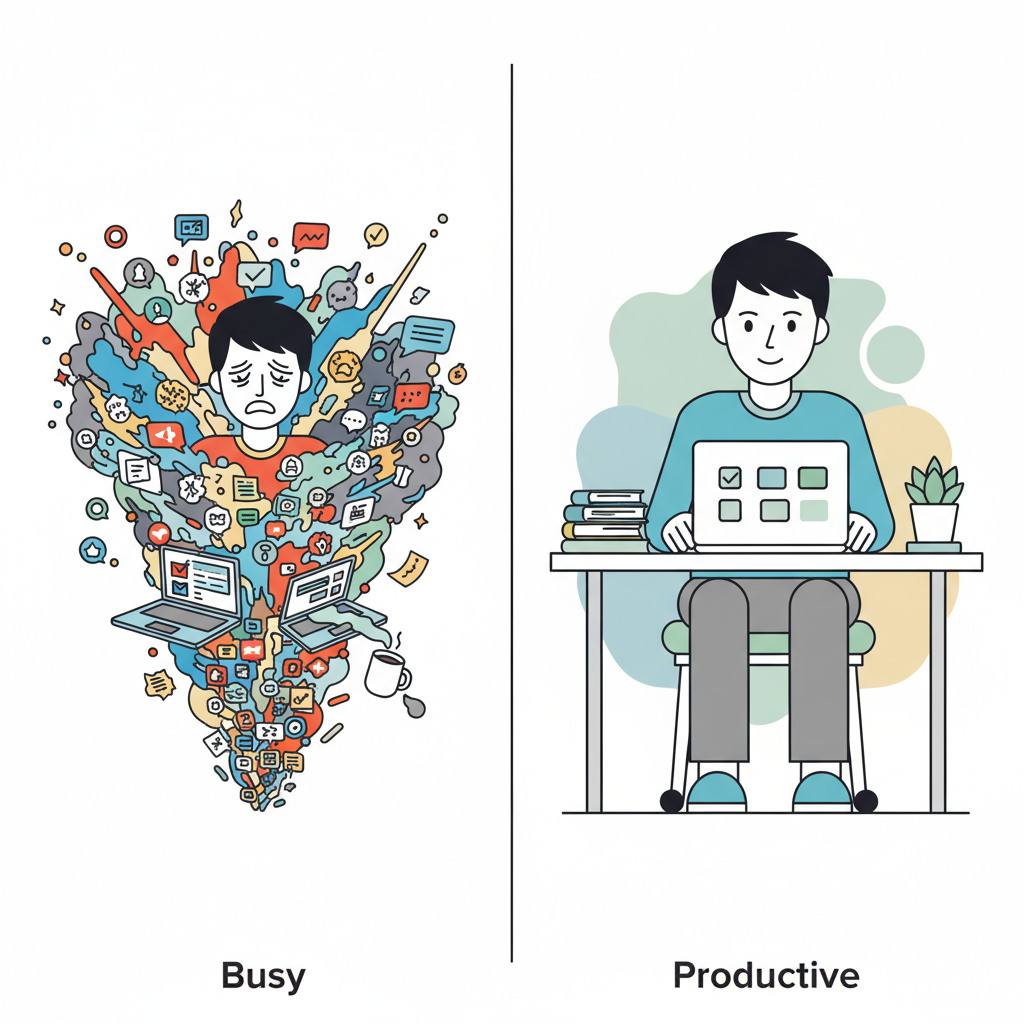
The digital age, while offering incredible tools for connection and information, has also become a significant source of distraction. Notifications ping, emails pile up, and the siren song of endless scrolling can easily derail even the most well-intentioned plans. It’s easy to fall into the trap of being busy without being productive, a state where we’re expending a lot of energy but not necessarily moving closer to our goals. This is where understanding and implementing effective time management and productivity strategies becomes crucial.
Understanding Your Time Landscape
Before we can optimize our time, we need to understand how we’re currently spending it. This involves a period of honest self-assessment.
Time Auditing: The First Step to Control
A time audit is simply a detailed record of how you spend your time over a specific period, typically a week. This isn’t about judgment; it’s about gaining clarity.
- Track Everything: Use a notebook, a spreadsheet, or a time-tracking app to log every activity, no matter how small. Note down when you start and finish each task, including breaks, commuting, social media browsing, work, chores, and leisure.
- Be Honest: Don’t sugarcoat it. If you spent an hour mindlessly scrolling through news feeds, log it. The more accurate your data, the more useful your insights will be.
- Analyze the Results: After a week, review your audit.
Where is most of your time going? What are your biggest time sinks (activities that consume a lot of time with little return)? Are you spending enough time on activities that are important to you? Are there patterns in your productivity (e.g., are you more focused in the morning or afternoon)?
This audit will likely reveal surprising truths about your habits and highlight areas ripe for improvement. It’s the foundational step in understanding how to stop wasting time and start building your future.
Identifying Your Productivity Peaks and Valleys
We all have natural energy cycles. Some of us are morning larks, bursting with energy and focus as soon as we wake up, while others hit their stride in the afternoon or evening. Recognizing your personal productivity peaks and valleys is key to scheduling your most demanding tasks during your high-energy periods and reserving less intensive tasks for your lower-energy times.
- Peak Times: Schedule your most important, cognitively demanding tasks (e.g., strategic planning, complex problem-solving, creative work) during these periods.
- Valley Times: Use these periods for routine tasks, administrative work, responding to emails, or taking breaks.
Core Time Management Techniques
Once you have a clearer picture of your time usage and energy levels, you can start implementing proven time management techniques.
The Eisenhower Matrix: Prioritization Powerhouse
This matrix, often attributed to former U.S. President Dwight D. Eisenhower, helps you categorize tasks based on their urgency and importance.
- Quadrant 1: Urgent and Important (Do First): Crises, deadlines, pressing problems. These need immediate attention.
- Quadrant 2: Important but Not Urgent (Schedule): Strategic planning, relationship building, personal development, exercise, preventative measures. This is where you should aim to spend most of your time, as it focuses on long-term goals and prevents future crises.
- Quadrant 3: Urgent but Not Important (Delegate): Interruptions, some meetings, popular activities. These often feel pressing but don’t contribute significantly to your goals. If possible, delegate them.
- Quadrant 4: Not Urgent and Not Important (Eliminate): Time-wasters, trivial tasks, excessive social media. These should be minimized or eliminated.
By consistently applying the Eisenhower Matrix, you can shift your focus from merely reacting to urgent demands to proactively working on what truly matters.
Time Blocking: Scheduling Your Success
Time blocking involves scheduling specific blocks of time for particular tasks or types of activities in your calendar. Instead of a to-do list, you have a time-scheduled plan.
- Plan Your Day/Week: At the beginning of each day or week, allocate specific time slots for your tasks, including work, breaks, exercise, and personal appointments.
- Be Realistic: Don’t overschedule. Allow buffer time between blocks for transitions or unexpected interruptions.
- Protect Your Blocks: Treat these scheduled blocks as appointments you cannot miss. Minimize distractions during these times.
Time blocking provides structure and ensures that important tasks get dedicated attention, preventing them from being pushed aside by less important but more immediate demands. It’s a powerful way to ensure progress on your long-term objectives.
The Pomodoro Technique: Focused Bursts of Work
Developed by Francesco Cirillo in the late 1980s, the Pomodoro Technique uses timed work intervals (traditionally 25 minutes) separated by short breaks.
- Choose a Task: Select a task to work on.
- Set a Timer: Set a timer for 25 minutes (one “Pomodoro”).
- Work Intensely: Work on the task without interruption until the timer rings.
- Take a Short Break: Take a 5-minute break.
- Repeat: After four Pomodoros, take a longer break (15-30 minutes).
The Pomodoro Technique is excellent for combating procrastination, improving focus, and preventing burnout. The short, manageable work intervals make daunting tasks feel less overwhelming.
Batching Similar Tasks: Efficiency Through Grouping
Batching involves grouping similar tasks together and completing them in one dedicated session. For example:
- Email Batching: Instead of checking emails every few minutes, set aside specific times (e.g., morning, midday, end of day) to process your inbox.
- Phone Call Batching: Make all your necessary phone calls in one go.
- Errand Batching: Plan all your errands to be done in one trip.
This reduces the mental overhead of switching between different types of tasks and allows you to get into a flow state for each activity.
Productivity Optimization Strategies
Beyond managing your time, optimizing your productivity involves maximizing the output of the time you have.
Declutter Your Workspace and Digital Life
A cluttered environment, whether physical or digital, can lead to a cluttered mind.
- Physical Space: Organize your desk, file documents, and ensure you have a clean, comfortable workspace. A tidy space reduces visual distractions and promotes a sense of calm.
- Digital Space: Organize your computer files, declutter your desktop, manage your email inbox, and unsubscribe from unnecessary newsletters. A clean digital environment makes it easier to find what you need and reduces digital noise.
Minimize Distractions and Interruptions
Distractions are productivity killers. Identify your common distractions and implement strategies to mitigate them.
- Turn Off Notifications: Disable non-essential notifications on your phone and computer.
- Set Boundaries: Communicate your focused work times to colleagues and family. Close your office door or use a “do not disturb” sign.
- Dedicated Focus Time: Schedule blocks of time where you are completely offline and undisturbed.
- Manage Social Media: Use website blockers or schedule specific times for social media use.
Leverage Technology Wisely
Technology can be a double-edged sword. While it can be a source of distraction, it also offers powerful tools for productivity.
- Task Management Apps: Tools like Todoist, Asana, or Trello can help you organize tasks, set deadlines, and track progress.
- Calendar Apps: Google Calendar, Outlook Calendar, and others are essential for scheduling and time blocking.
- Note-Taking Apps: Evernote, OneNote, or Notion can help you capture ideas and organize information.
- Focus Apps: Apps like Forest or Freedom can help you stay focused by blocking distracting websites and apps.
The Power of Single-Tasking
In a world that often glorifies multitasking, research consistently shows that single-tasking is far more efficient and leads to higher quality work. Multitasking involves rapidly switching between tasks, which incurs a “switching cost” – a loss of time and mental energy. Focus on completing one task before moving to the next.
Learn to Say “No”
Protecting your time and energy means learning to decline requests that don’t align with your priorities or that would overextend you. Saying “no” to less important things allows you to say “yes” to what truly matters. This ties into developing strong confidence standards and self respect.
Prioritize Sleep, Exercise, and Nutrition
This is perhaps the most overlooked aspect of productivity. Your physical and mental well-being are the foundation of your ability to focus and perform.
- Sleep: Aim for 7-9 hours of quality sleep per night. Lack of sleep impairs cognitive function, decision-making, and overall productivity.
- Exercise: Regular physical activity boosts energy levels, improves mood, and enhances cognitive function.
- Nutrition: A balanced diet fuels your brain and body. Avoid excessive sugar and processed foods, which can lead to energy crashes.
Overcoming Common Productivity Roadblocks
Even with the best strategies, challenges will arise.
Procrastination: The Thief of Time
Procrastination is the act of delaying tasks, often those that are difficult, unpleasant, or overwhelming.
- Break Down Tasks: Large tasks can feel daunting. Break them into smaller, more manageable steps.
- Just Start: Commit to working on a task for just 5-10 minutes. Often, the hardest part is getting started, and momentum will carry you forward.
- Reward Yourself: Set up small rewards for completing tasks or milestones.
- Identify the Root Cause: Are you procrastinating due to fear of failure, perfectionism, or lack of clarity? Addressing the underlying reason can be crucial.
Burnout: The Enemy of Sustained Productivity
Burnout is a state of emotional, physical, and mental exhaustion caused by prolonged stress. It leads to decreased productivity, cynicism, and a feeling of detachment.
- Set Realistic Expectations: Don’t try to do everything at once.
- Take Regular Breaks: Step away from your work throughout the day.
- Schedule Downtime: Ensure you have time for relaxation, hobbies, and social connection.
- Seek Support: Talk to friends, family, or a professional if you’re feeling overwhelmed. Remember, 68 why still standing is more than a phrase and seeking help is a sign of strength.
Loneliness in Productivity Pursuits
Sometimes, the drive for productivity can lead to isolation, especially if you’re working on personal projects or are in a recovery journey. It’s important to balance solo work with connection. If you’re finding yourself feeling isolated, exploring strategies for how to handle loneliness in recovery can be beneficial, as many of these strategies apply broadly to maintaining social connection while pursuing goals.
The Long-Term View: Building a Sustainable Productivity System
Effective time management and productivity optimization aren’t about cramming more into your day; they’re about working smarter, not harder, and aligning your actions with your values and long-term goals. It’s about creating a sustainable system that supports your well-being and allows you to achieve what’s truly important to you. This is where the idea that the slow way is sometimes the strongest way truly resonates – consistent, deliberate progress often trumps frantic, short-lived bursts of activity.
Continuous Improvement and Adaptation
Your productivity system should not be static. Regularly review what’s working and what isn’t. As your goals, circumstances, and even technology evolve, so too should your approach to time management. Be willing to experiment with new techniques and tools.
The Importance of Reflection
Regular reflection is key. Take time each week or month to review your progress, assess your challenges, and adjust your strategies. Ask yourself:
- What went well this week/month?
- What were my biggest challenges?
- What did I learn?
- What adjustments do I need to make for the next period?
This reflective practice ensures that you’re not just going through the motions but are actively learning and growing.
Aligning Productivity with Your Values
Ultimately, the most effective productivity comes from doing work that is meaningful to you. When your daily tasks align with your core values and long-term aspirations, you’ll find more intrinsic motivation and satisfaction. This is why understanding your “why” is so important. It fuels your commitment and helps you navigate the inevitable challenges. It’s about more than just ticking off tasks; it’s about building a life you’re proud of.
Conclusion: Reclaiming Your Time, Reclaiming Your Life
In 2026, the ability to manage your time and optimize your productivity is more critical than ever. By understanding how you currently spend your time, identifying your peak performance periods, and implementing proven techniques like the Eisenhower Matrix, time blocking, and the Pomodoro Technique, you can gain control over your schedule.
Optimizing productivity involves decluttering your environment, minimizing distractions, leveraging technology wisely, and prioritizing single-tasking. Crucially, it requires a commitment to your well-being through adequate sleep, exercise, and nutrition. Overcoming common hurdles like procrastination and burnout is an ongoing process that requires self-awareness and strategic planning.
Remember that building a sustainable productivity system is a journey of continuous improvement and adaptation, fueled by regular reflection and alignment with your core values. By mastering your minutes, you don’t just become more efficient; you reclaim your time, reduce stress, and ultimately, build a more fulfilling and purposeful life. It’s about making intentional choices today that shape the future you desire.
Frequently Asked Questions
What is the most effective time management technique?
There isn’t a single “most effective” technique that works for everyone. The best approach depends on your personality, work style, and the nature of your tasks. However, techniques like the Eisenhower Matrix for prioritization and Time Blocking for structured execution are widely considered foundational and highly effective for many people. Experimenting with different methods, such as the Pomodoro Technique for focused work intervals, is key to finding what suits you best.
How can I overcome procrastination?
Overcoming procrastination often involves breaking down daunting tasks into smaller, more manageable steps, setting realistic deadlines, and creating a dedicated workspace free from distractions. Sometimes, simply committing to working on a task for a short, predetermined period (e.g., 10-15 minutes) can help build momentum. Identifying the underlying reason for procrastination—whether it’s fear of failure, perfectionism, or lack of clarity—is also crucial for long-term success.
How do I deal with constant interruptions at work?
Managing interruptions requires a proactive approach. Communicate your focused work times to colleagues and family, and consider using visual cues like a “do not disturb” sign. Turn off non-essential notifications on your devices. If possible, batch your responses to emails and messages rather than reacting immediately. For critical tasks, consider finding a quiet space or scheduling “deep work” sessions where you’re intentionally unavailable.
Is multitasking ever effective?
While multitasking might seem efficient, research consistently shows that single-tasking leads to higher quality work and is generally more efficient due to reduced “switching costs.” Rapidly shifting attention between tasks can decrease focus, increase errors, and lead to mental fatigue. For complex or important tasks, dedicating your full attention to one thing at a time is usually the best strategy.
How important is sleep for productivity?
Sleep is absolutely critical for productivity. During sleep, your brain consolidates memories, processes information, and repairs itself. Chronic sleep deprivation significantly impairs cognitive functions such as concentration, decision-making, problem-solving, and creativity. Aiming for 7-9 hours of quality sleep per night is a fundamental productivity optimization strategy.
How can I avoid burnout?
Avoiding burnout involves setting realistic expectations, learning to say “no” to non-essential commitments, and prioritizing self-care. Regularly scheduled breaks throughout the workday, sufficient downtime for relaxation and hobbies, and maintaining a healthy work-life balance are essential. It’s also important to recognize the signs of burnout early and seek support from friends, family, or professionals if needed.
What is the role of a time audit in improving productivity?
A time audit is a crucial first step in improving productivity because it provides an honest, data-driven understanding of how you currently spend your time. By tracking your activities, you can identify your biggest time sinks, uncover hidden inefficiencies, and see where your time is being allocated versus where you want it to be allocated. This awareness allows you to make targeted adjustments to your schedule and habits for better time management.
Key Takeaways
- Time is Your Most Valuable Asset: Treat your time with the respect it deserves, as it’s a non-renewable resource.
- Self-Awareness is Key: Conduct a time audit to understand your current habits and identify time sinks.
- Prioritize Ruthlessly: Use tools like the Eisenhower Matrix to focus on what’s truly important and urgent.
- Structure Your Day: Techniques like Time Blocking and the Pomodoro Technique provide structure and enhance focus.
- Minimize Distractions: Actively manage your physical and digital environments to reduce interruptions.
- Leverage Technology Wisely: Use productivity apps and tools to organize and streamline your workflow.
- Single-Tasking Over Multitasking: Focus on completing one task at a time for better quality and efficiency.
- Prioritize Well-being: Adequate sleep, exercise, and nutrition are foundational to sustained productivity.
- Learn to Say “No”: Protect your time and energy by declining non-essential requests.
- Embrace Continuous Improvement: Regularly reflect on your productivity system and adapt as needed.
- Align with Values: Ensure your productivity efforts contribute to your larger life goals and personal values.
This opinions posed in this article ae just that, mine. This article is for informational purposes only.