The Power of Books in Lifelong Learning and Personal Education
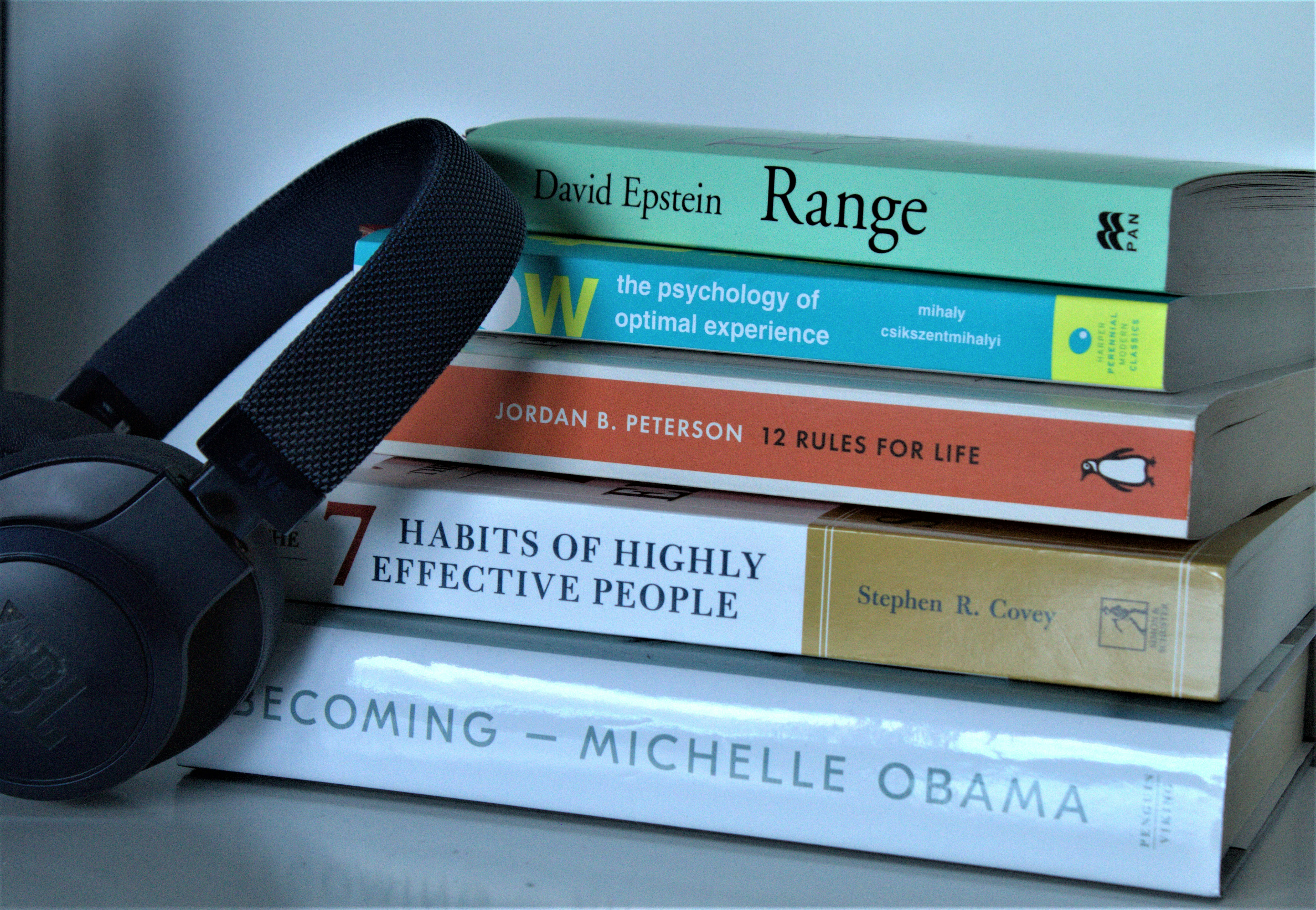
The Importance of Reading in Personal Development
Reading is fundamentally intertwined with personal development and plays a significant role in fostering lifelong learning. Engaging with a diverse range of books enhances cognitive abilities and encourages self-improvement. It is through reading that individuals expand their horizons, acquire new skills, and cultivate a deeper understanding of themselves and the world around them.
Cognitive benefits derived from reading include enhanced critical thinking and analytical skills. This occurs as individuals are challenged to interpret complex ideas and navigate intricate narratives. Additionally, reading fiction exposes readers to varied perspectives, enriching their capacity for empathy. By immersing themselves in the lives and experiences of characters, readers develop a strong sense of understanding and consideration for differing viewpoints.
The types of books available for personal education are vast and varied, each fulfilling unique functions in the process of self-improvement. Self-help books offer practical advice and strategies for personal growth, while biographies provide inspiration through the achievements of others. Educational literature serves to broaden knowledge and understanding of specific subjects, enabling readers to dive deeper into areas of interest or professional development.
Each genre contributes distinct benefits to personal education, impacting individual perspectives and contributing to personal growth. Whether it be gaining practical skills from a self-help guide, learning resilience from a biography, or attaining knowledge from educational texts, books in all forms play a crucial role in shaping the individual’s journey toward self-betterment and holistic learning.
Choosing the Right Books for Your Learning Journey
Selecting the appropriate books for your personal education and learning journey is crucial in ensuring that you gain the insights that truly resonate with your goals and interests. A strategic approach to choosing books can enhance your understanding and broaden your perspectives.
To begin with, it is important to identify key topics of interest that align with your educational aspirations. Reflecting on your goals will provide direction in selecting books that contribute to your knowledge base. For instance, if you are looking to improve your understanding of a specific industry, choosing books related to that field will be advantageous. Moreover, considering areas outside your immediate focus can foster interdisciplinary learning, enriching your overall grasp of various subjects.
When evaluating potential reading materials, the value of classic versus contemporary works must be taken into account. Classic books often lay the foundation for many modern theories and ideas; thus, they provide essential context for understanding current literature. Conversely, contemporary books can offer fresh perspectives and recent developments in a given field. A balanced mix of both types of literature can offer depth and current relevance to your learning experience.
Utilizing book reviews and recommendations is another effective strategy. Engaging with review platforms, reading lists from reputable sources, or obtaining suggestions from knowledgeable peers can streamline your selection process. Additionally, online forums and book clubs can serve as excellent resources for discovering new titles that align with your reading goals.
Ultimately, building a diverse reading list that promotes holistic learning should be a priority. By approaching your book selection with intent and structure, you can cultivate a personal education pathway that not only informs but also inspires and motivates you throughout your learning journey.
Effective Strategies for Retaining Knowledge from Books
Retaining knowledge from books is a critical aspect of personal education and lifelong learning. The cognitive processes involved in reading can be enhanced through the adoption of various effective strategies, making the experience more productive and enriching.
One fundamental technique for improving retention is taking notes while reading. This encourages active engagement with the material, allowing readers to distill key points and concepts. Additionally, annotating margins with personal thoughts or questions can create a more personalized connection to the text, reinforcing memory. Summarizing information is another useful method; after completing a chapter or section, writing a brief summary helps consolidate the learned material and makes it easier to recall later.
Engaging in discussions about the content can further deepen understanding. Sharing insights with friends, joining book clubs, or participating in online forums allows for diverse perspectives that can illuminate different interpretations of the material. This collaborative learning process not only solidifies personal comprehension but also enriches the overall experience of reading.
Applying concepts learned from books in real-life situations is another effective strategy for retention. When theoretical knowledge is translated into practical application, it becomes more meaningful and easier to remember. Whether it’s a skill acquired from a self-help book or a historical lesson grasped from a biography, using these insights in everyday life reinforces learning.
Moreover, the benefits of re-reading cannot be understated. Revisiting challenging material may provide new insights with each pass, allowing readers to grasp complex ideas more thoroughly. This process strengthens neural connections, thereby enhancing long-term retention.
By employing these strategies, readers can significantly improve their ability to retain knowledge from books, thus enriching their personal education journey and fostering a more profound learning experience.
Creating a Lifelong Learning Plan
Incorporating books into a lifelong learning plan is an effective way to enhance personal education and foster continuous growth. The first step in creating an individualized learning plan is to establish clear learning objectives. These objectives should be specific and measurable, allowing you to determine what knowledge or skills you aim to acquire. For instance, you might choose to focus on topics that align with your career advancement or personal interests.
Once your objectives are set, it is essential to curate a selection of books that align with these goals. This curation can include various genres such as non-fiction, biographies, and professional development literature. Incorporating diverse perspectives through a wide range of authors can enrich your understanding and stimulate critical thinking. You may also want to join book clubs or online reading communities that focus on themes relevant to your personal education goals, fostering discussion and varied insights.
Additionally, establishing a regular reading habit is fundamental to effective learning. Allocate specific times during your week dedicated to reading. Whether it is a chapter a day or a set number of pages, consistency is key in integrating books into your routine. To effectively track your progress, consider maintaining a reading journal where you can summarize key takeaways and reflections on each book read. This practice not only reinforces what you have learned but also helps you recognize patterns and growth over time.
Finally, be proactive in seeking out resources that complement your learning objectives. This can include online courses, webinars, podcasts, or forums dedicated to your areas of interest. Engaging with a community of learners can motivate you and inspire further exploration. Through this structured approach to learning, books become invaluable tools that empower your education journey, enriching both personal and professional aspects of your life.


