Celebrate Wins & Maintain Momentum in 2026
2,963 words • English • May 25, 2026
Celebrating Wins and Maintaining Momentum: Recognizing Progress, Rewarding Achievements, and Sustaining Motivation
Did you know that a staggering 80% of people abandon their New Year’s resolutions by February? [Source: Scranton University study, often cited by various psychology and self-help resources.] This statistic, while focusing on resolutions, highlights a broader human challenge: sustaining motivation. We start with incredible enthusiasm, but somewhere along the way, the drive fades. This isn’t a sign of weakness; it’s a fundamental aspect of human psychology. The journey to achieving significant goals, whether personal or professional, is rarely a straight line. It’s a winding path filled with both triumphs and setbacks. Recognizing and celebrating our progress, rewarding our achievements, and actively working to sustain our motivation are not just “nice-to-haves”; they are essential components for long-term success and well-being.
In 2026, as we navigate an increasingly complex world, the ability to stay motivated and acknowledge our growth is more crucial than ever. This article will delve into the power of celebrating wins, the science behind rewarding ourselves, and practical strategies for maintaining that vital momentum, ensuring that our efforts translate into lasting achievements. We’ll explore how small acknowledgments can fuel big dreams and how to build a resilient mindset that keeps us moving forward, even when the path gets tough.
The Psychology of Progress: Why Celebrating Wins Matters
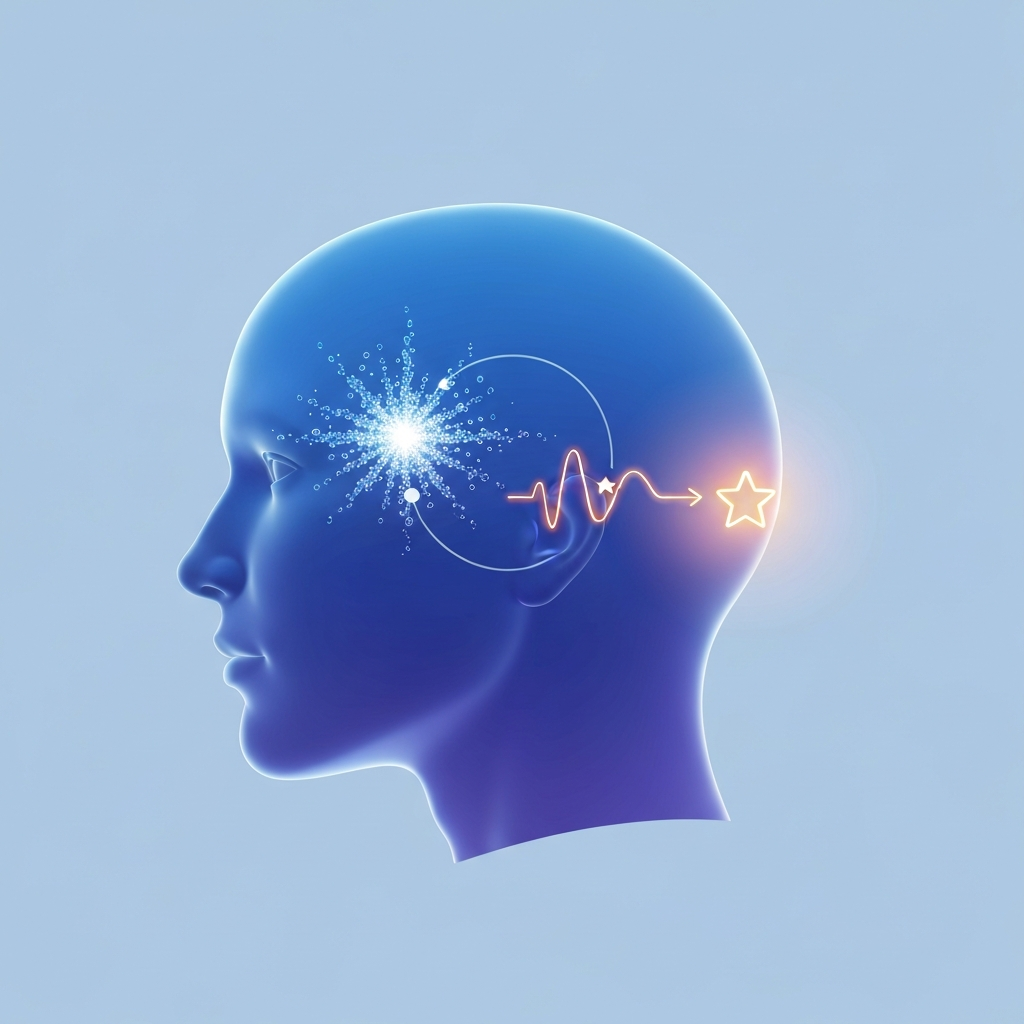
At its core, celebrating wins is about reinforcing positive behavior. When we achieve a milestone, no matter how small, our brains release dopamine, a neurotransmitter associated with pleasure, reward, and motivation. This natural reward mechanism is a powerful driver. By consciously acknowledging and celebrating these moments, we amplify this effect, creating a positive feedback loop that encourages us to repeat the actions that led to the success.
Think about it like this: imagine you’re training for a marathon. You hit a new personal best during a training run, maybe shaving a minute off your previous pace for a certain distance. If you just shrug it off and move on to the next training session, you miss a crucial opportunity. But if you take a moment to acknowledge that achievement – perhaps by sharing it with a friend, treating yourself to a healthy meal, or simply reflecting on your hard work – you’re telling your brain, “This feels good! Let’s do more of this.” This simple act of recognition can significantly boost your motivation for the next tough training session.
This principle applies universally. For someone in recovery, hitting a significant sobriety milestone isn’t just about avoiding substances; it’s a testament to immense inner strength and perseverance. Acknowledging this achievement, perhaps through a support group meeting, a personal reflection, or a small, meaningful reward, reinforces the positive choices they are making daily. It’s a powerful reminder that their efforts are paying off and that a fulfilling life beyond addiction is not just possible, but achievable. This ties into the importance of confidence standards and self respect, as recognizing wins directly bolsters our sense of self-worth.
The Science of Dopamine and Motivation
Neuroscience research has consistently shown the link between reward and motivation. Dopamine plays a critical role in our brain’s reward pathway. When we anticipate a reward, dopamine levels rise, driving us to take action. When we receive the reward, dopamine is released again, reinforcing the behavior. [Source: “The Molecule of More: How Gene Editing and CRISPR Are Revolutionizing Medicine” by Daniel Z. Lieberman, MD, and Michael E. Long.]
However, it’s not just about the big rewards. Studies suggest that breaking down large goals into smaller, manageable steps and celebrating the completion of each step can be more effective for sustained motivation than waiting for the final, grand prize. This is because each small win provides a dopamine hit, keeping our motivation levels consistently high. This is why setting SMART goals (Specific, Measurable, Achievable, Relevant, Time-bound) is so effective; it naturally creates these smaller milestones to celebrate.
Overcoming the “Hedonic Treadmill”
The hedonic treadmill, also known as hedonic adaptation, is the observed tendency of humans to quickly return to a relatively stable level of happiness despite major positive or negative events or life changes. This means that if we don’t consciously celebrate and savor our achievements, we tend to adapt to them, and they lose their motivational power. A new job promotion, a significant weight loss, or a creative breakthrough can feel amazing initially, but without deliberate reflection and celebration, the novelty wears off, and we’re back to seeking the next big thing.
Celebrating wins acts as an antidote to the hedonic treadmill. It forces us to pause, appreciate the journey, and savor the feeling of accomplishment. This savoring process helps to prolong the positive emotions associated with the achievement, making it more impactful and motivating for future endeavors. It’s about actively choosing to acknowledge and feel good about our progress, rather than passively letting the feeling fade.
Rewarding Achievements: Fueling the Fire
Simply recognizing a win is powerful, but actively rewarding ourselves elevates it to a new level. Rewards serve as tangible affirmations of our hard work and dedication. They provide a concrete reason to celebrate and a positive association with the effort invested. The key is to choose rewards that are meaningful and motivating for you.
Types of Rewards
Rewards can take many forms, and what works for one person might not work for another. Consider these categories:
- Tangible Rewards: These are physical items or experiences. For a fitness goal, it might be new workout gear. For a creative project, it could be a new book or art supply. For a professional achievement, it might be a nice dinner out or a weekend getaway.
- Experiential Rewards: These focus on experiences that bring joy or relaxation. This could be a spa day, tickets to a concert, a weekend trip, or simply dedicating an afternoon to a hobby you love.
- Time-Based Rewards: Sometimes, the best reward is simply taking a break. This could mean taking a day off, sleeping in, or dedicating an entire evening to doing absolutely nothing productive. This is especially important when you’re working hard and might be prone to burnout.
- Social Rewards: Sharing your success with loved ones and receiving their congratulations can be incredibly rewarding. This could involve a celebratory dinner with friends, a toast with family, or simply sharing your good news on social media (if that feels authentic to you).
- Self-Care Rewards: Investing in your well-being is a powerful reward. This could include a massage, a long bath, a mindfulness retreat, or simply dedicating time to activities that nourish your soul.
Tailoring Rewards to Your Goals
The most effective rewards are those that are aligned with your goals or provide a much-needed counterbalance to the effort you’ve exerted.
- For health and fitness goals: A reward could be a new piece of athletic equipment, a massage to help with muscle recovery, or a healthy, celebratory meal. Avoid rewards that directly undermine your goal (e.g., binge eating after a week of healthy eating).
- For professional or academic goals: A reward could be a professional development course you’ve been eyeing, a nice dinner to celebrate a promotion, or simply a day of rest and relaxation after a demanding project.
- For creative pursuits: A reward might be acquiring a new tool or material for your craft, attending a workshop by an artist you admire, or simply dedicating uninterrupted time to your creative work.
- For personal growth and recovery: Rewards should focus on self-nurturing and reinforcing positive choices. This could be a session with a therapist, a new book on mindfulness, a hobby-related purchase, or simply spending quality time with supportive friends. For those navigating recovery, understanding 23 how to handle loneliness in recovery can inform rewards that foster connection and well-being.
The Pitfalls of Ineffective Rewards
It’s also important to be mindful of rewards that can inadvertently sabotage your progress. For instance, if your goal is to save money, a lavish shopping spree might not be the best reward. If you’re trying to eat healthier, a week-long binge of junk food is counterproductive. The reward should feel like a celebration of your achievement, not a derailment.
Consider the timing of your rewards. Tying a reward directly to the completion of a specific milestone makes the connection clear and reinforces the desired behavior. Waiting too long can weaken this connection, making the reward less effective.
Sustaining Momentum: The Art of Long-Term Motivation
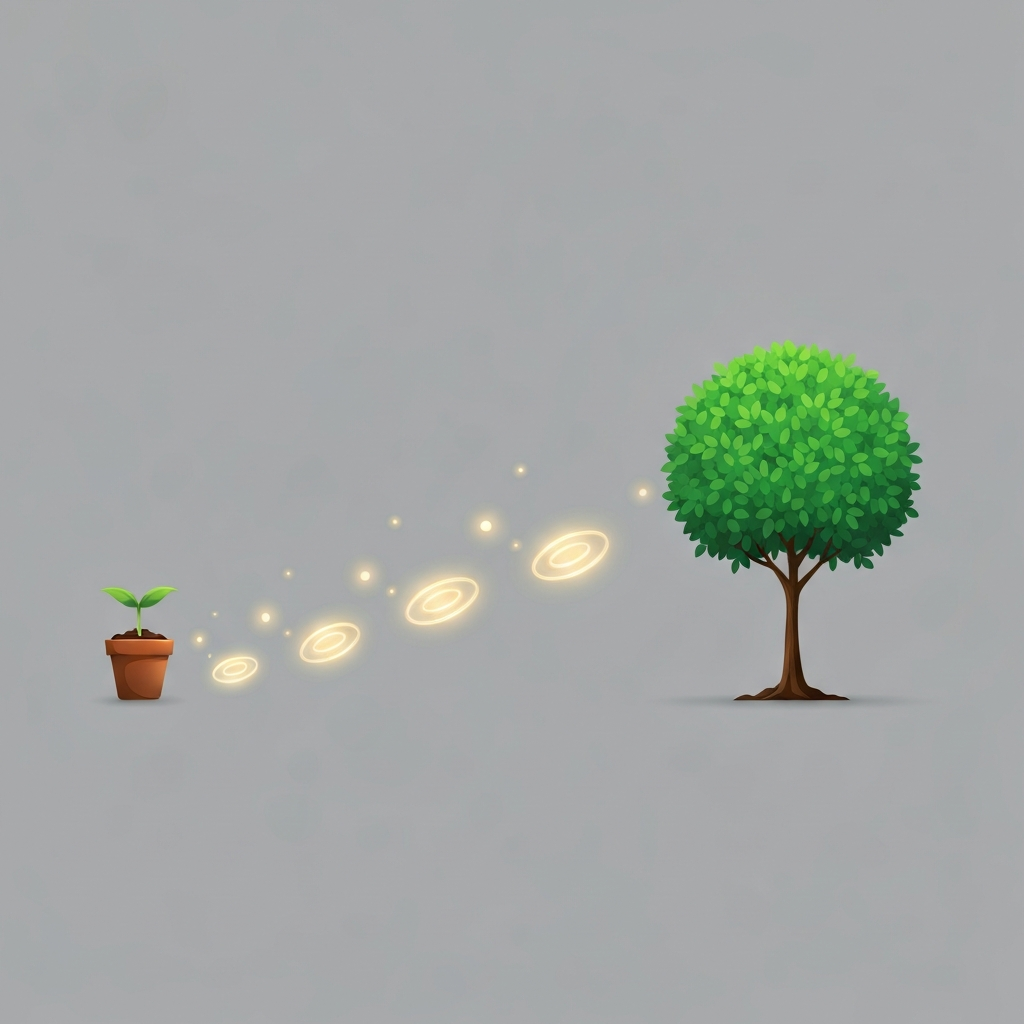
Celebrating wins and rewarding achievements are crucial for building momentum, but sustaining that momentum over the long haul requires a more strategic approach. It’s about building resilience, adapting to challenges, and continuously finding ways to stay engaged with your goals.
The Power of Habits
One of the most effective ways to sustain momentum is by building consistent habits. Habits are actions that become automatic, requiring less conscious effort and willpower. When your goal is integrated into your daily routine, motivation becomes less of a fickle emotion and more of a steady current.
- Start Small: Don’t try to overhaul your entire life overnight. Introduce new habits gradually. If you want to exercise more, start with 15 minutes three times a week, rather than aiming for an hour every day.
- Be Consistent: Consistency is more important than intensity, especially in the beginning. It’s better to do a small amount of something every day than a large amount sporadically.
- Track Your Progress: Visualizing your progress can be incredibly motivating. Use a habit tracker, a journal, or an app to mark off your completed actions. Seeing a chain of successful days can be a powerful incentive to keep going. This is related to the idea of 68 why still standing is more than a phrase, as consistent effort builds resilience.
- Automate Where Possible: Make it easy for yourself to stick to your habits. Lay out your workout clothes the night before, pre-pack your lunch, or set up automatic bill payments.
Navigating Setbacks and Plateaus
No journey is without its obstacles. Setbacks and plateaus are inevitable. The key to sustaining momentum is not to avoid them, but to learn how to navigate them effectively.
- Reframe Setbacks: Instead of viewing a setback as a failure, see it as a learning opportunity. What went wrong? What can you do differently next time? This perspective shift is crucial for growth.
- Don’t Let One Bad Day Ruin Everything: If you slip up, don’t fall into the trap of all-or-nothing thinking. Acknowledge the slip, learn from it, and get back on track with your next planned action. This is a core concept in building resilience, and understanding 68 why still standing is more than a phrase 2 can offer valuable insights.
- Identify Plateaus: Plateaus are periods where progress seems to stall. This can be demotivating. Often, plateaus are signals that you need to adjust your approach. This might involve increasing the intensity of your efforts, changing your strategy, or simply being patient as your body or mind adapts.
- Seek Support: Talking about your challenges with friends, family, mentors, or a professional can provide valuable perspective and encouragement. You are not alone in facing these difficulties. For instance, exploring 23 how to handle loneliness in recovery 3 can highlight the importance of community support.
Maintaining Intrinsic Motivation
While external rewards are helpful, intrinsic motivation – the drive that comes from within, from the inherent satisfaction of the activity itself – is the most powerful and sustainable form of motivation.
- Connect with Your “Why”: Regularly remind yourself why you started this journey in the first place. What is your core purpose? What values are driving you? Reconnecting with your “why” can reignite your passion.
- Find Enjoyment: Whenever possible, try to find aspects of the process that you genuinely enjoy. If your work feels like a chore, can you find ways to make it more engaging or interesting? Can you incorporate elements of play or creativity?
- Focus on the Process, Not Just the Outcome: While the end goal is important, try to appreciate the journey itself. Focus on the skills you’re developing, the knowledge you’re gaining, and the person you’re becoming along the way. This shifts your focus from the pressure of the outcome to the satisfaction of growth.
- Embrace Autonomy and Mastery: Feeling a sense of control over your actions (autonomy) and developing competence in your chosen area (mastery) are powerful intrinsic motivators. [Source: Self-Determination Theory by Edward Deci and Richard Ryan.]
The Role of Environment and Community
Our surroundings and the people we surround ourselves with have a profound impact on our motivation.
- Create a Supportive Environment: Organize your physical space to support your goals. If you want to read more, have books readily available. If you want to eat healthier, keep healthy snacks visible.
- Seek Out Like-Minded Individuals: Connect with people who share your goals and aspirations. A supportive community can provide encouragement, accountability, and a sense of belonging. This is especially relevant when considering 23 how to handle loneliness in recovery 4, as shared experience and support are vital.
- Limit Negative Influences: Be mindful of people or situations that drain your energy or undermine your confidence. It’s okay to set boundaries to protect your motivation.
Continuous Learning and Adaptation
The world is constantly changing, and so are our needs and circumstances. To sustain momentum, we must be willing to learn and adapt.
- Stay Curious: Maintain a sense of curiosity about your goals and the broader field you’re working in. This keeps things fresh and engaging.
- Be Open to New Strategies: If your current approach isn’t yielding the results you want, don’t be afraid to experiment with new strategies. This is where the idea of how to stop wasting time and start building your future becomes relevant – it’s about optimizing your efforts.
- Reflect Regularly: Schedule time for regular reflection. What’s working well? What could be improved? This self-awareness is key to making necessary adjustments.
Key Takeaways
- Celebrate Every Win: Acknowledging progress, no matter how small, reinforces positive behavior and boosts motivation through dopamine release.
- Reward Yourself Meaningfully: Choose rewards that are aligned with your goals or provide genuine enjoyment and relaxation, reinforcing your hard work.
- Build Sustainable Habits: Automate positive actions to reduce reliance on willpower and create consistent progress.
- Navigate Setbacks with Resilience: Reframe challenges as learning opportunities and avoid all-or-nothing thinking.
- Cultivate Intrinsic Motivation: Connect with your “why,” find enjoyment in the process, and focus on personal growth.
- Leverage Your Environment and Community: Create a supportive space and surround yourself with like-minded, encouraging individuals.
- Embrace Continuous Learning: Stay curious, adapt your strategies, and reflect regularly on your journey.
Frequently Asked Questions
Why is celebrating small wins important?
Celebrating small wins is crucial because it taps into our brain’s reward system, releasing dopamine, which reinforces positive behaviors and increases motivation. It helps combat the “hedonic treadmill” by allowing us to savor achievements, making them more impactful and encouraging continued effort. It builds a positive feedback loop that fuels progress.
What are some examples of effective rewards?
Effective rewards are personal and aligned with your goals. They can include tangible items (like new gear), experiences (like a concert or trip), time off, social recognition (celebrating with friends), or self-care activities (like a massage). The key is that the reward feels genuinely motivating and doesn’t undermine your progress.
How can I stay motivated when I hit a plateau?
When facing a plateau, it’s important to acknowledge it without judgment. Try adjusting your approach – perhaps increasing intensity, changing your strategy, or learning a new skill related to your goal. Sometimes, simply being patient and trusting the process is necessary. Seeking support from others or reflecting on your “why” can also help reignite motivation.
What’s the difference between intrinsic and extrinsic motivation?
Intrinsic motivation comes from within – the enjoyment of the activity itself, personal satisfaction, or a sense of purpose. Extrinsic motivation comes from external factors, such as rewards (money, praise) or avoiding punishment. While extrinsic motivators can be useful, intrinsic motivation is generally more sustainable for long-term engagement and passion.
How do setbacks affect motivation, and how can I manage them?
Setbacks can be demotivating because they can feel like failures, leading to discouragement. To manage them, try to reframe them as learning opportunities rather than definitive failures. Focus on what you can learn and how you can adapt your approach. Avoid dwelling on the setback and instead focus on getting back on track with your next planned action.
Can my environment influence my motivation?
Absolutely. Your environment plays a significant role. A cluttered or distracting workspace can hinder focus, while an organized space can support your goals. Similarly, being surrounded by supportive, like-minded individuals can provide encouragement and accountability, whereas negative influences can drain your motivation. Making conscious choices about your surroundings and social circles can have a powerful impact.
Conclusion
The journey toward achieving our goals is a marathon, not a sprint. In 2026, as we continue to adapt to a rapidly changing world, the ability to recognize our progress, reward our efforts, and sustain our motivation is more critical than ever. By consciously celebrating our wins, choosing meaningful rewards, and implementing strategies for long-term engagement, we build resilience, foster a positive mindset, and significantly increase our chances of success. Remember that progress isn’t always linear; it’s a dynamic process of growth, learning, and perseverance. Embrace the journey, acknowledge your strength, and keep moving forward, one celebrated win at a time.
This opinions posed in this article ae just that, mine. This article is for informational purposes only.