Public Speaking Confidence: Master Your Nerves
3,097 words • English • May 25, 2026
Public Speaking and Confidence Building: Your Roadmap to Empowered Communication
Did you know that a staggering 77% of people report experiencing anxiety when it comes to public speaking? This widespread fear, often termed glossophobia, is more common than you might think, impacting individuals across all walks of life, from students presenting projects to seasoned professionals addressing large audiences. But what if I told you that this pervasive fear isn’t an insurmountable barrier? What if, with the right strategies and a shift in perspective, you could not only overcome your public speaking jitters but also transform it into a powerful tool for personal and professional growth? This article is your comprehensive guide to understanding the intricate link between public speaking and confidence building, offering practical advice and actionable steps to help you find your voice and command any room.
The journey to becoming a confident public speaker is not about eradicating nerves entirely; it’s about learning to manage them and harness their energy. It’s about understanding that a little adrenaline can actually be beneficial, making you more alert and engaged. True confidence in public speaking stems from a combination of preparation, practice, and a deep-seated belief in your own abilities and the value of your message. This isn’t just about delivering a speech; it’s about connecting with your audience, sharing your ideas effectively, and leaving a lasting impression.
The Intertwined Nature of Public Speaking and Confidence
At its core, public speaking is an act of vulnerability. You are standing before a group of people, sharing your thoughts, ideas, or information. This act inherently requires a degree of self-assurance. Conversely, the experience of successfully navigating public speaking engagements can significantly bolster your self-esteem. It’s a cyclical relationship: increased confidence leads to better public speaking, and better public speaking, in turn, fuels more confidence.
Think about it: when you feel confident, you’re more likely to make eye contact, speak clearly, use appropriate body language, and engage with your audience. These outward displays of confidence are often perceived positively by listeners, leading to a more receptive and appreciative reception of your message. This positive feedback loop reinforces your belief in yourself, making you more eager to take on future speaking opportunities.
On the flip side, a lack of confidence can manifest in various ways that hinder effective communication. You might find yourself fidgeting, avoiding eye contact, speaking too softly or too quickly, or losing your train of thought. These behaviors can create a disconnect with your audience and reinforce negative self-perceptions, making you even more hesitant to speak in public in the future. Understanding this dynamic is the first crucial step in developing your public speaking prowess.
Why We Fear Public Speaking
The roots of glossophobia are complex and can vary from person to person. For some, it’s a fear of judgment – the worry that others will criticize their ideas, their delivery, or even their appearance. For others, it’s a fear of failure, of forgetting their lines, or of making a mistake that will embarrass them. Past negative experiences, such as a poor performance in school or a critical audience reaction, can also contribute significantly to this anxiety.
Evolutionary psychology offers another perspective. Throughout human history, being ostracized from a group could have severe survival consequences. Public speaking, in a sense, places you in a position of exposure where you might be judged by the “tribe.” This primal fear response, though largely unnecessary in modern settings, can still trigger our fight-or-flight mechanisms.
The good news is that these fears, while powerful, are often rooted in our perceptions rather than objective reality. The audience is usually more supportive and forgiving than we imagine. They are there to learn, to be informed, or to be entertained, not to scrutinize your every move. Learning to reframe these anxious thoughts is a critical component of confidence building.
The Benefits of Confident Public Speaking
Beyond simply getting through a presentation, confident public speaking offers a wealth of benefits:
- Enhanced Credibility and Influence: When you speak with conviction, people are more likely to trust your expertise and be persuaded by your arguments. This can be invaluable in professional settings, leadership roles, and even personal relationships.
- Improved Leadership Skills: Effective communication is a cornerstone of leadership. Confident speakers can inspire teams, articulate vision, and drive change.
- Greater Career Advancement: The ability to articulate your ideas clearly and persuasively is a highly sought-after skill in almost any profession. It can open doors to promotions, new opportunities, and increased recognition.
- Stronger Personal Relationships: Being able to express yourself clearly and confidently can improve communication with friends, family, and partners, leading to deeper connections and fewer misunderstandings.
- Increased Self-Esteem: Each successful public speaking experience acts as a powerful affirmation of your capabilities, leading to a significant boost in overall self-worth. This ties directly into developing strong confidence standards and self respect.
Strategies for Building Public Speaking Confidence
Overcoming the fear of public speaking and building genuine confidence is a journey, not a destination. It requires consistent effort and a willingness to step outside your comfort zone. Here are some proven strategies:
1. Thorough Preparation is Key
This is perhaps the most crucial element. When you know your material inside and out, you reduce the likelihood of forgetting or getting flustered.
- Know Your Audience: Who are you speaking to? What are their interests, knowledge levels, and expectations? Tailor your message to resonate with them.
- Structure Your Speech: A clear, logical structure makes your message easier to follow and remember. Start with a compelling introduction, develop your points with supporting evidence, and conclude with a strong summary or call to action.
- Master Your Content: Don’t just memorize; understand. Be able to explain your points in different ways. This allows you to adapt if you encounter unexpected questions or need to clarify something.
- Anticipate Questions: Think about what your audience might ask and prepare thoughtful answers. This will make you feel more in control during the Q&A session.
2. Practice, Practice, Practice (The Right Way)
Rehearsal is vital, but how you practice matters.
- Out Loud: Reading your speech silently is not enough. Practice delivering it aloud, ideally standing up, to get a feel for the rhythm and pacing.
- Record Yourself: Use your phone or webcam to record your practice sessions. Watching yourself back can be uncomfortable, but it’s incredibly insightful. You’ll notice verbal tics, awkward gestures, or areas where your delivery falters.
- Practice in Front of Others: Start with a trusted friend, family member, or colleague. Ask for constructive feedback. This simulates the real experience in a low-stakes environment.
- Simulate the Environment: If possible, practice in the actual room where you’ll be speaking. Get comfortable with the space, the acoustics, and the setup.
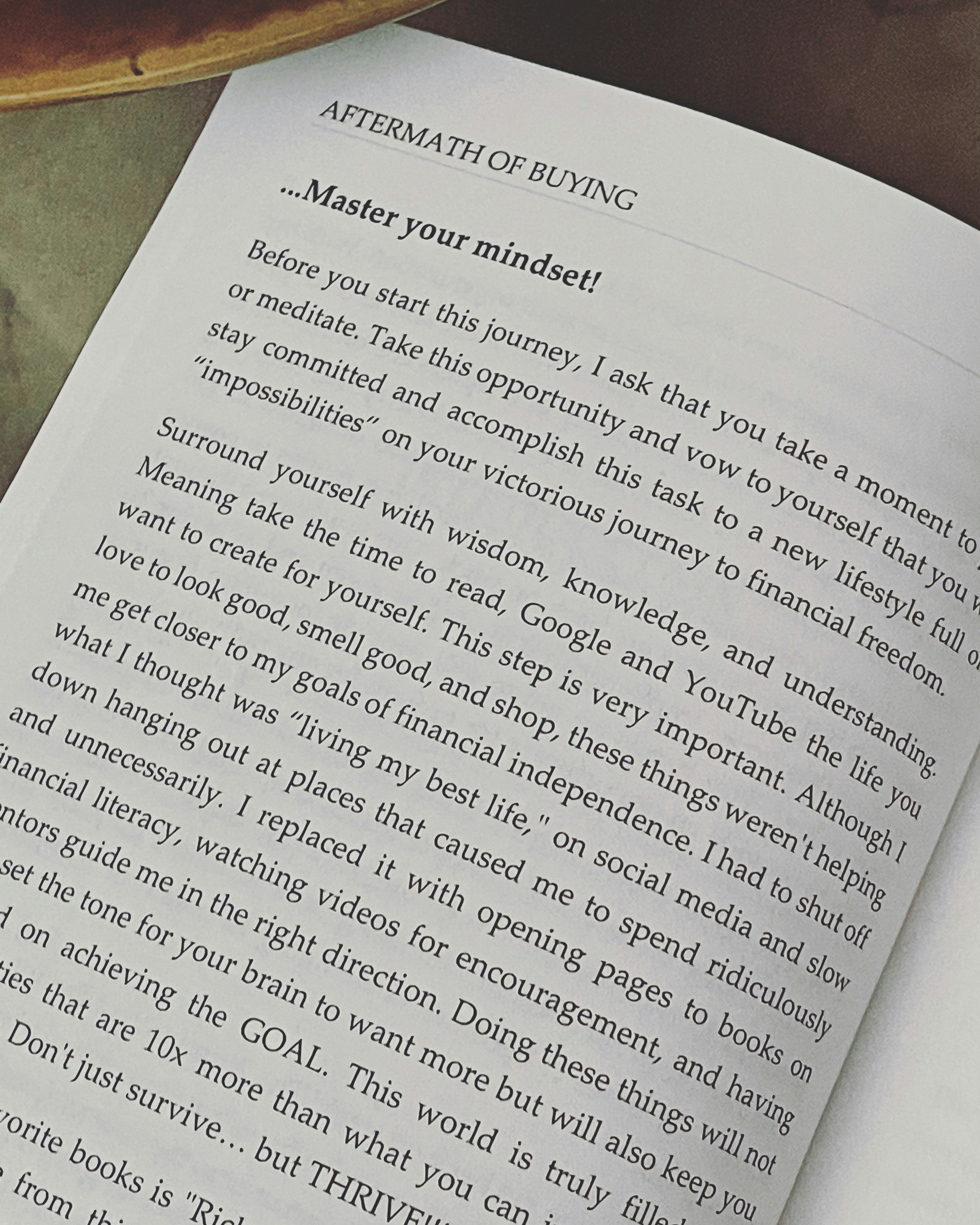
3. Master Your Mindset
Your thoughts have a powerful influence on your feelings and actions.
- Positive Self-Talk: Replace negative thoughts (“I’m going to fail”) with positive affirmations (“I am prepared and have valuable information to share”).
- Visualize Success: Imagine yourself delivering a confident, engaging speech. Picture the audience responding positively. This mental rehearsal can prime your brain for success.
- Reframe Nervousness: Understand that the physical symptoms of anxiety (butterflies, racing heart) are adrenaline. This energy can be channeled into enthusiasm and passion for your topic. It’s a sign you care.
- Focus on Your Message, Not Yourself: Shift your attention from your own perceived flaws to the value you are bringing to the audience. You are there to serve them with your knowledge or perspective.
4. Leverage Your Body Language
Non-verbal communication speaks volumes. Confident body language can make you feel more confident and project that image to your audience.
- Posture: Stand tall with your shoulders back. This conveys confidence and openness.
- Eye Contact: Make genuine eye contact with individuals in the audience. This builds connection and shows you are engaged. Don’t just scan; hold contact for a few seconds with different people.
- Gestures: Use natural, purposeful hand gestures to emphasize points. Avoid fidgeting or keeping your hands rigidly still.
- Movement: If appropriate for the setting, move around the stage purposefully. This can help you feel more dynamic and engaged.
5. Engage Your Audience
A connected audience is often a more forgiving and supportive audience.
- Ask Questions: Incorporate rhetorical or direct questions to involve your listeners.
- Tell Stories: Anecdotes and personal stories make your message more relatable and memorable.
- Use Humor (Appropriately): A well-placed joke or lighthearted comment can break the ice and build rapport.
- Encourage Interaction: If the format allows, create opportunities for audience participation, such as Q&A or small group discussions.
6. Start Small and Build Gradually
You don’t have to tackle a TED Talk on your first attempt.
- Volunteer for Low-Stakes Opportunities: Offer to speak up in team meetings, present a brief update, or share your thoughts in a smaller group setting.
- Join a Public Speaking Group: Organizations like Toastmasters International provide a supportive environment to practice and receive feedback.
- Gradually Increase the Challenge: As you gain experience and confidence, take on slightly larger audiences or more complex topics. This incremental approach prevents overwhelm and builds momentum. This is similar to the principle of how to stop wasting time and start building your future, where small, consistent actions lead to significant progress.
Overcoming Specific Public Speaking Challenges
Even with preparation, specific anxieties can arise.
Dealing with Nerves on the Day
It’s normal to feel nervous right before you speak. Instead of fighting it, acknowledge it. Take a few deep breaths. Do some light stretching. Sip some water. Remind yourself of your preparation and the value of your message. Channel that nervous energy into enthusiasm. Remember, you are still standing, and that in itself is a testament to your resilience. This is a concept explored in articles like 68 why still standing is more than a phrase.
Handling Mistakes Gracefully
Mistakes happen to everyone, even seasoned speakers. The key is how you recover.
- Don’t Draw Attention: If you misspeak a word or stumble briefly, often the audience won’t even notice unless you highlight it. Just pause, correct yourself if necessary, and continue.
- Acknowledge and Move On: If it’s a more significant slip-up, a brief, calm acknowledgment (“My apologies, let me rephrase that”) and moving on is usually sufficient. Don’t dwell on it.
- Humor Can Help: If appropriate, a touch of self-deprecating humor can diffuse tension and make you more relatable.
Managing an Unresponsive Audience
Sometimes, you might feel like you’re speaking into a void.
- Vary Your Delivery: Inject more energy into your voice, use more expressive gestures, or move around more.
- Ask Direct Questions: Engage specific individuals or the group with targeted questions.
- Tell a Compelling Story: A well-told story can re-engage listeners.
- Check Your Content: Is your message clear? Is it relevant to them? Sometimes, the issue lies in how the information is being presented.
The Role of Technology
While technology can be a great aid (slides, videos), it can also be a source of anxiety.
- Know Your Tech: Be familiar with the equipment you’ll be using. Do a thorough test run beforehand.
- Have a Backup Plan: What if the projector fails? What if your slides won’t load? Have notes or a way to deliver your core message without technology.
- Don’t Let Slides Dominate: Your slides should support your message, not be your message. Avoid reading directly from them.
Building Long-Term Confidence
Public speaking confidence isn’t just about mastering a single presentation; it’s about cultivating a resilient, confident self that extends beyond the stage.
Continuous Learning and Development
The journey doesn’t end with one successful speech. Seek out opportunities to learn more about communication, storytelling, and presentation skills. Read books, attend workshops, and observe effective speakers. Every experience is a learning opportunity.
Seek Feedback and Reflect
After each speaking engagement, actively seek feedback from trusted sources. What went well? What could be improved? Reflecting on these insights is crucial for growth. This is a continuous process, much like how one might approach how to stop wasting time and start building your future.
Celebrate Your Successes
Acknowledge and celebrate your progress, no matter how small. Did you speak up in a meeting when you normally wouldn’t? Did you handle a Q&A session with more ease? Recognizing these wins reinforces positive behavior and builds momentum. This is part of establishing strong confidence standards and self respect.
Address Underlying Issues
Sometimes, deep-seated anxieties about public speaking might be linked to broader issues of self-worth or past trauma. If you find that your fear is paralyzing or significantly impacting your life, consider seeking support from a therapist or counselor. Addressing these underlying issues can unlock profound personal growth and confidence. For those navigating recovery, understanding how to manage feelings of isolation can also be crucial, as explored in resources addressing 23 how to handle loneliness in recovery.
The Future of Public Speaking
As communication evolves, so too do the platforms and methods for public speaking. Virtual presentations, online webinars, and even social media live streams all require similar core skills: clarity, confidence, and connection. Mastering the fundamentals of public speaking today will equip you to communicate effectively across all these mediums. The ability to articulate your thoughts and connect with others remains a timeless and invaluable skill. It underscores the idea that 68 why still standing is more than a phrase, highlighting the enduring strength found in communication and self-expression.
Final Thoughts on Your Journey
Becoming a confident public speaker is an achievable goal for anyone willing to put in the effort. It’s about embracing vulnerability, preparing diligently, practicing consistently, and cultivating a positive mindset. Remember that every speaker, no matter how accomplished, started somewhere. They faced their fears, learned from their experiences, and grew. You can too. Embrace the process, celebrate your progress, and find the power in your own voice. The world needs to hear what you have to say.
Frequently Asked Questions
What are the most common fears associated with public speaking?
The most common fears include the fear of judgment (being criticized or ridiculed), the fear of failure (forgetting what to say, making mistakes), the fear of embarrassment, and the fear of appearing nervous or incompetent. Some people also fear being boring or not connecting with the audience.
How can I manage physical symptoms of anxiety like shaking or sweating?
Deep breathing exercises can be very effective. Before you speak, take slow, deep breaths, inhaling through your nose and exhaling through your mouth. Progressive muscle relaxation, where you tense and then release different muscle groups, can also help. Focusing on grounding yourself by feeling your feet on the floor can also reduce physical symptoms. Sometimes, a slight increase in heart rate and energy is just adrenaline, which you can channel into enthusiasm.
Is it possible to completely eliminate nervousness before public speaking?
It’s generally not realistic or even desirable to eliminate all nervousness. A certain level of adrenaline can sharpen your focus and increase your energy. The goal is to manage your nerves, not eradicate them. Learning to reframe nervousness as excitement or energy is a key strategy. Even the most experienced speakers often feel a degree of butterflies before going on stage.
How important is practice for building confidence in public speaking?
Practice is absolutely crucial. It’s arguably the most important factor. Consistent, deliberate practice helps you internalize your material, refine your delivery, identify areas for improvement, and become more comfortable with the act of speaking itself. Practicing out loud, recording yourself, and rehearsing in front of others are all highly effective methods. The more you practice, the less uncertainty there will be, and the more confident you will feel.
What should I do if I make a mistake during my speech?
Don’t panic! Most mistakes are minor and often go unnoticed by the audience unless you draw attention to them. If you stumble over a word, simply pause, correct yourself, and continue. If it’s a more significant error, a brief, calm acknowledgment like “My apologies, let me clarify that point” is usually sufficient. Avoid dwelling on the mistake, as it can disrupt your flow and confidence. Often, a touch of light humor, if appropriate for the situation, can help diffuse any tension.
How can I make my public speaking more engaging for the audience?
Engagement comes from connection. Make eye contact with different audience members, use relatable stories or anecdotes, ask rhetorical or direct questions, vary your vocal tone and pace, and use purposeful body language and gestures. Ensure your content is relevant and valuable to your audience. You can also use visual aids effectively, but don’t let them overshadow your message.
How can public speaking confidence benefit my career?
Confident public speaking is a highly valued skill that can significantly boost your career. It enhances your credibility, makes you a more influential communicator, improves your leadership potential, and makes you more visible within your organization. Whether you’re presenting ideas, pitching a project, or leading a team, the ability to speak confidently and persuasively can open doors to new opportunities and advancements.
Key Takeaways
- Public speaking and confidence are deeply interconnected; each enhances the other in a positive feedback loop.
- The fear of public speaking (glossophobia) is common and often stems from fear of judgment, failure, or embarrassment.
- Thorough preparation, including knowing your audience and mastering your content, is fundamental to confident speaking.
- Consistent, deliberate practice, including rehearsing out loud and recording yourself, is essential for improvement.
- Mindset plays a critical role; positive self-talk, visualization, and reframing nervousness can transform your experience.
- Confident body language (posture, eye contact, gestures) projects assurance and helps you feel more confident.
- Engaging your audience through stories, questions, and interaction builds connection and makes your message more impactful.
- Start with smaller speaking opportunities and gradually build up to larger challenges.
- Learn to manage mistakes gracefully by acknowledging them briefly and moving on.
- Continuous learning, seeking feedback, and celebrating successes contribute to long-term confidence growth.
- Addressing underlying anxieties through professional support can be beneficial for some individuals.
- The skills learned in public speaking are transferable to various communication platforms, including virtual environments.
This opinions posed in this article ae just that, mine. This article is for informational purposes only.