Off the Grid: Embracing Sustainable Living for a Healthier Future
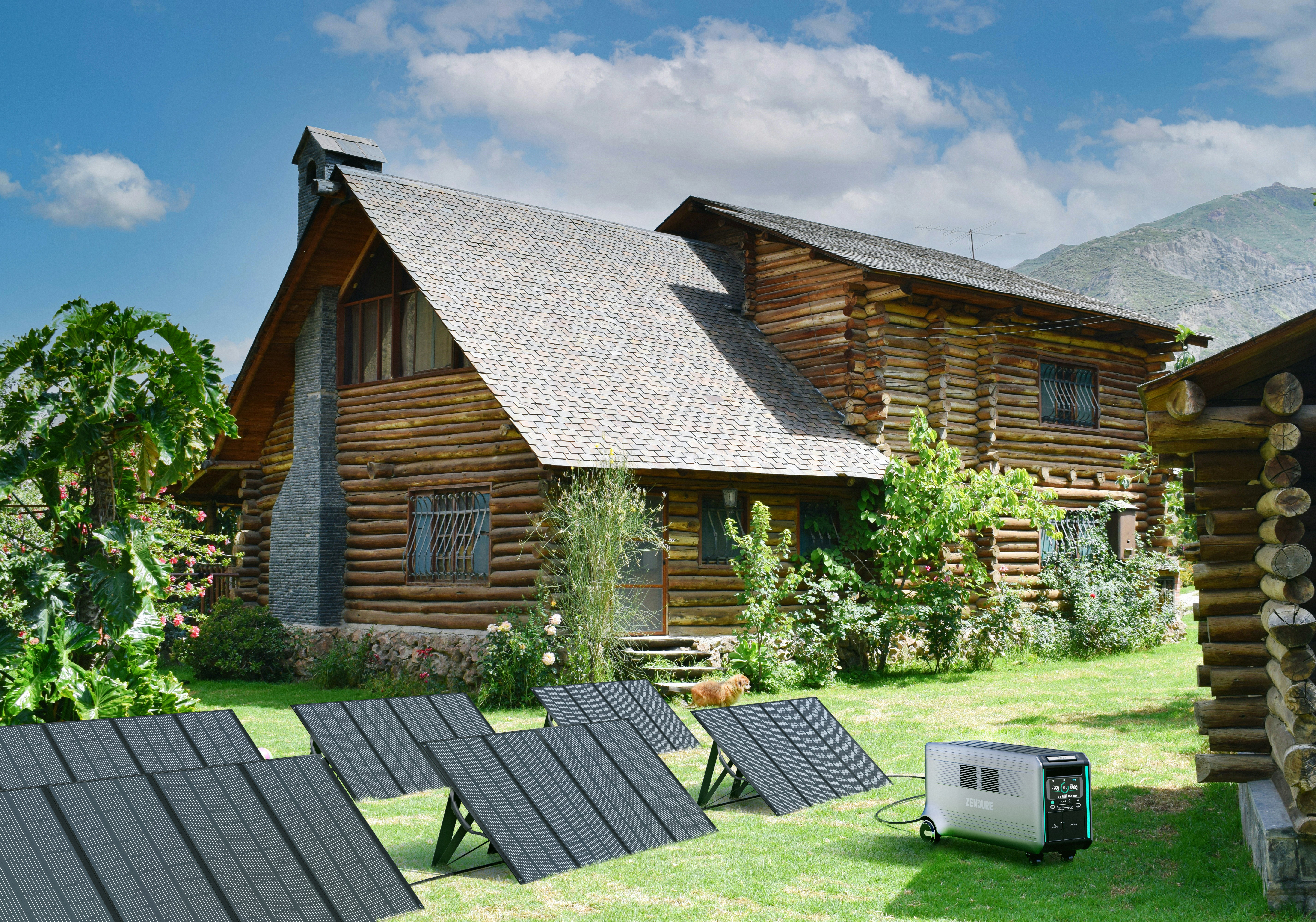
Introduction to Off the Grid Living
Living off the grid refers to a lifestyle choice that enables individuals and families to be self-sufficient, relying on their own resources rather than public utilities. This method of living has gained significant traction in recent years, largely due to the increasing awareness of modern environmental issues and the desire for sustainable living practices. As societal concerns about climate change, pollution, and resource depletion heighten, more individuals are exploring alternative lifestyles that prioritize ecological stewardship and resilience.
In today’s fast-paced urban environments, many people feel disconnected from nature and the sources of their energy and food. Off-grid living offers a remedy to this discrepancy, allowing individuals to reclaim a sense of autonomy over their lifestyles. By incorporating modern technology into self-sufficient systems, off-grid living not only mitigates dependence on traditional supply chains but also champions sustainable practices that encourage a healthier lifestyle. This fusion of modern tech and sustainable living solutions often involves the use of solar panels, rainwater harvesting systems, and composting toilets, thereby significantly reducing one’s ecological footprint.
The surge in interest around sustainable living can be attributed to numerous factors, including rising energy costs, an increasing number of natural disasters, and a growing understanding of the interconnectedness of ecosystems. These elements urge society to rethink consumption patterns and the impact of lifestyle choices on the environment. Embracing a sustainable living approach allows for innovative ways to adapt to the challenges posed by modern life, ensuring that future generations inherit a healthier planet.
The Principles of Sustainable Living
Sustainable living is a lifestyle that aims to minimize an individual’s or society’s use of the Earth’s natural resources. The core principles that define sustainable living fundamentally focus on resource conservation, ecological balance, and waste reduction. By integrating these principles into daily life, individuals can contribute to a healthier future that embraces modern tech solutions without compromising the planet’s well-being.
Resource conservation involves using natural resources more efficiently and responsibly. This can include adopting renewable energy sources such as solar and wind, thereby reducing dependency on fossil fuels. Individuals can further advocate for energy efficiency through practices such as using energy-efficient appliances, improving home insulation, and maximizing daylight in homes. Additionally, water conservation techniques such as rainwater harvesting and low-flow fixtures can be implemented to reduce water wastage—a critical resource for sustainable living.
Ecological balance centers on maintaining the health of ecosystems and biodiversity. This principle emphasizes the importance of supporting local ecosystems by choosing products that are sustainably sourced and embracing biodiversity. For example, adopting a plant-based diet or supporting local organic farms can reduce one’s carbon footprint while promoting sustainable agriculture practices. Modern tech plays a pivotal role here by enabling localized agriculture and innovative methods for sustainable food production.
Waste reduction is another fundamental principle of sustainable living. To adopt this principle, one can prioritize recycling and composting to reduce landfill waste. Additionally, opting for products with minimal packaging, engaging in the circular economy, and reducing single-use plastics are essential steps towards achieving a more sustainable lifestyle. These practical measures collectively foster a culture of sustainability, encouraging individuals to reflect on their consumption habits and make conscientious choices that align with sustainable living.
Health Benefits of Sustainable Living
Living sustainably offers a myriad of health benefits that contribute to an improved quality of life. One of the primary advantages of sustainable living is access to organic food. This type of food is grown without harmful pesticides and chemicals, making it a healthier alternative to conventionally produced items. Consuming organic fruits and vegetables can lead to a reduction in the risk of chronic diseases, promoting better overall health and vitality.
In addition to dietary improvements, sustainable living often promotes an environment rich in clean air. Commonly associated with off-the-grid lifestyles, clean air stems from lower pollution levels, reduced industrial waste, and increased greenery. Access to fresh air plays a significant role in enhancing respiratory health, reducing stress levels, and improving mental well-being. A consistent supply of clean air can also lead to increased energy levels and greater overall productivity.
Engaging in physical activities is another cornerstone of sustainable living. Many off-the-grid lifestyle choices necessitate manual labor, such as gardening, building, or maintaining a homestead. These activities not only facilitate physical fitness but also encourage a connection with nature, which is known to have mental health benefits. Regular physical exercise associated with sustainable practices helps reduce the risk of obesity, cardiovascular diseases, and promotes longevity.
Moreover, sustainable living tends to cultivate a sense of community. By participating in local initiatives, engaging in community gardens, or collaborating on renewable energy projects, individuals can foster social ties that enhance emotional health. The combined effects of healthy eating, fresh air, physical activity, and social interaction exemplify how sustainable living aligns with holistic well-being.
Modern Technologies Supporting Off-Grid Living
As society increasingly shifts towards sustainable living, modern technologies play a pivotal role in enabling off-grid lifestyles. These advancements make it possible for individuals and communities to harness natural resources, meet their energy needs, and reduce environmental impact. Among the most significant technologies are solar panels, wind turbines, and water purification systems.
Solar panels have revolutionized off-grid living by capturing sunlight and converting it into usable electricity. With advancements in photovoltaic technology, modern solar panels are more efficient and cost-effective than ever. Homeowners and small communities can now install these systems to power their households, charge electric vehicles, and even sell excess energy back to the grid. This shift not only benefits users economically but also promotes a reliance on renewable energy sources.
Wind turbines are another remarkable technology that supports sustainable living. Small-scale wind turbines can generate electricity for individual homes or localized communities. Utilizing wind as a source of energy reduces dependency on fossil fuels and contributes to lower carbon emissions. For regions with consistent wind patterns, this technology is particularly effective, offering a reliable alternative to traditional power sources.
Furthermore, innovative water purification systems are crucial for off-grid living, particularly in remote areas. These systems utilize modern technology to filter and purify water, ensuring accessibility to clean drinking water, essential for health and well-being. Methods such as solar distillation and advanced filtration systems can be integrated into off-grid setups, allowing residents to maintain a sustainable lifestyle without relying on municipal water supplies.
Incorporating these modern technologies into off-grid living not only enhances self-sufficiency but also exemplifies the principles of sustainable living. By embracing solar energy, harnessing wind power, and ensuring access to clean water, individuals can contribute positively to the environment while maintaining a comfortable and functional lifestyle.
Permaculture and Gardening Techniques
Permaculture is an approach to land management and design that seeks to create sustainable and self-sufficient agricultural ecosystems. This innovative philosophy is based on the principles of sustainability, ecology, and self-regulation, providing a comprehensive framework for gardening and farming that harmonizes with nature. By implementing permaculture techniques, individuals can cultivate gardens that are not only productive but also beneficial to the surrounding environment, reinforcing sustainable living practices.
One key technique within permaculture is companion planting. This method involves placing different plants near each other to promote growth and deter pests. For instance, marigolds are often planted alongside vegetables to repel harmful insects, while beans can provide nitrogen to the soil, benefiting surrounding plants. By fostering these beneficial relationships, companion planting can reduce the need for chemical fertilizers and pesticides, leading to a healthier ecosystem.
Another essential technique is crop rotation. This practice involves changing the types of crops grown in a specific location from season to season. By rotating crops, gardeners can maintain soil health and fertility, as different plants can contribute unique nutrients and help break pest and disease cycles. Crop rotation ultimately enhances the resilience of the garden, making it less susceptible to the challenges posed by the environment and pathogens.
Soil health management plays a critical role in sustainable gardening, as rich, fertile soil is the foundation of any successful garden. Utilizing organic matter, such as compost, can increase soil fertility and improve water retention, reducing the need for frequent irrigation. Techniques such as mulching and cover cropping also contribute to maintaining soil health, preventing erosion, and encouraging biodiversity.
Through the application of these permaculture techniques—companion planting, crop rotation, and soil health management—gardeners can embrace modern tech of sustainable living, fostering an ecological balance beneficial to both people and the planet.
Building a Sustainable Home
Constructing a sustainable home is fundamental to minimizing environmental impact while promoting energy efficiency. To achieve this, one can start with the use of reclaimed materials, which allows builders to repurpose existing resources instead of depleting new ones. This practice not only reduces waste but also imbues the dwelling with historical and aesthetic character. Furthermore, using materials sourced locally can significantly reduce transportation emissions, supporting the local economy while aligning with sustainable principles.
Incorporating energy-efficient designs is another vital aspect of building sustainably. For instance, optimizing the orientation of windows and placing them strategically can maximize natural light, reducing the need for artificial lighting. Many modern homes now utilize passive solar design principles that harness sunlight for heating during colder months, thereby lowering energy consumption. Additionally, technology such as smart thermostats can enhance energy efficiency by enabling homeowners to monitor and adjust their energy usage in real-time.
Natural insulation is another essential component in the construction of environmentally friendly homes. Materials such as sheep’s wool, cellulose, or recycled denim offer excellent insulation properties while minimizing harmful chemical emissions commonly found in traditional insulating materials. By opting for these alternatives, homeowners can create a healthier living environment while also contributing to sustainable living practices.
Ultimately, sustainable home building is an evolving practice that integrates modern tech with age-old methods. Utilizing reclaimed materials, implementing energy-efficient designs, and selecting natural insulation forms the foundation of eco-friendly architecture. As awareness of sustainability rises, these guidelines offer valuable insights for anyone looking to construct a home that supports a healthier future and respects our planet.
The Community Aspect of Off the Grid Living
Off the grid living is not just a solitary endeavor; it significantly relies on the strength of community and the shared values among its members. When individuals commit to sustainable living, they often join or form communities that prioritize collaboration, resource sharing, and collective problem-solving. These communities focus on achieving sustainable goals together, which can result in more effective practices compared to isolated attempts.
One of the key advantages of communal living off the grid is the pooling of resources. Members can share tools, skills, and knowledge, which reduces individual costs and fosters a sense of belonging. For instance, in many sustainable communities, a single solar installation can supply electricity for multiple homes, dramatically lowering energy costs while promoting the use of renewable sources.
Additionally, these sustainable communities often cultivate a robust support network. This can be seen in intentional communities like ecovillages, which frequently offer communal gardens and workshops to teach skills such as permaculture and woodworking. This not only strengthens bonds among community members but also embeds the principles of sustainable living in daily practices, perpetuating the ethos of modern tech and eco-friendliness.
Examples abound of successful grid-independent communities that thrive on mutual aid. Communities like the Transition Towns movement emphasize local resilience and grassroots approaches to sustainability. They encourage cooperative ventures ranging from shared transportation to joint farming initiatives. This community-centric approach not only enhances self-sufficiency but also fortifies social ties, making the experience of off the grid living enriching and fulfilling.
Ultimately, the community aspect of off the grid living exemplifies how collective efforts can lead to sustainable practices that benefit individuals and the environment. By fostering a network of support, these communities not only embrace modern tech and sustainable living but also inspire others to explore the potential of communal approaches to environmental challenges.
Challenges of Living Off the Grid
Living off the grid is an attractive goal for many who aspire to embrace sustainable living, autonomous lifestyles, and an intimate connection with nature. However, this transition comes with its challenges that require careful consideration and proactive solutions. One of the primary obstacles is the initial cost. Establishing an off-grid home often necessitates significant investments in modern tech such as solar panels, wind turbines, and energy-efficient appliances. These upfront costs can be daunting, yet they are typically offset over time through savings on utility bills and a reduced reliance on traditional energy sources.
Maintenance is another concern for those pursuing an off-grid life. Systems that rely on solar or wind energy require regular upkeep to ensure optimal performance. This includes cleaning solar panels, monitoring battery health, and maintaining backup generators. Formulating a systematic maintenance schedule and staying educated on the technology used can mitigate many common issues and reduce long-term costs.
Lifestyle adjustments also play a crucial role in the off-grid experience. Moving away from the conveniences of grid-powered life necessitates a shift in daily routines and habits. Indeed, this may involve cultivating a more self-sufficient lifestyle, which includes growing one’s own food or managing water resources effectively. Embracing this new way of living can initially feel overwhelming; however, gradual integration of sustainable practices can foster confidence and comfort.
To overcome these challenges, individuals aspiring to live off the grid should seek knowledge from established off-grid communities and resources. Networking with others who share similar values enables the exchange of practical advice and emotional support. Additionally, beginning with small, manageable changes can ease the transition, allowing for a gradual adaptation that leads to a balanced and fulfilling off-grid lifestyle.
Conclusion: The Journey Towards a Sustainable Future
As we reflect on the various aspects of sustainable living, it becomes clear that the journey towards a more sustainable future is not solely dependent on transformative modern tech but also requires a collective commitment to making conscious choices. Embracing sustainable living means acknowledging our dependence on the environment and recognizing the direct impact our decisions have on both the earth and our health.
Small steps can lead to significant changes. Individuals can begin their sustainability journey by making eco-friendly choices in their daily lives. For instance, reducing waste, opting for sustainable products, and minimizing energy consumption are achievable actions that contribute to a healthier planet. Additionally, exploring the benefits of modern technology can enhance these efforts. Smart home devices can monitor energy usage, while advanced water-saving systems can help conserve vital resources.
Moreover, it is essential to foster community engagement in sustainable practices. By sharing knowledge and resources, communities can cultivate a culture that prioritizes environmental stewardship and sustainability. This collective effort can amplify the impact of individual actions, leading to broader social change.
It is important to consider the ecological footprint of our choices and how they influence not only our immediate environment but also future generations. By promoting practices rooted in sustainability, we are taking charge of our collective future and paving the way for a healthier world.
In conclusion, while the path to sustainable living may appear daunting, each of us can contribute to this movement through mindful living and thoughtful consumption. We encourage readers to explore their options, stay informed about modern technologies that support sustainability, and recognize the profound effects their choices have on personal health and the planet.